

1. Visible Damage (Physical Damage & Water Damage)
Visible damage is the easiest sign to spot, and it's often the first one a homeowner will notice. Walk around your house and look closely at each wall. A small crack may seem harmless, but even minor openings can allow water to reach the layers behind the siding. Over time, that moisture can cause water damage and affect sheathing, insulation, framing, and interior walls.
Loose siding is another concern, as panels, boards, or sections that shift in the wind can leave gaps where water and pests can enter. In some cases, loose siding is caused by storm damage. In others, it may be the result of age, poor fastening, expansion and contraction, or deterioration around the attachment points. A few damaged pieces may be repairable. Widespread cracking, repeated loose sections, or damage across multiple sides of the home usually points to a larger siding problem.
Hail damage is a big one around here. After a storm rolls through town, we get calls from homeowners who've found dents across the south and west-facing walls of their homes. Vinyl siding can crack from hail impact, while aluminum panels tend to dent. Either way, once the surface is compromised, moisture tends finds its way behind the panels and the trouble starts.
2. Fading or Discoloration
Siding will naturally fade over time, and that's normal. When the color loss becomes severe or uneven, though, it tells you the weatherproofing layer has worn out. A home I worked on last year had siding so faded you could only see the original color in spots protected by the roof overhang and behind a large group of bushes. The rest had gone nearly beige.
Faded siding hurts curb appeal, and it also signals that the material is no longer doing its job. UV exposure breaks down the protective coating, leaving your home vulnerable to moisture and temperature swings.
3. Mold, Mildew, or Algae/Fungal Growth
Dark streaks, green patches, or soft spots on your siding should never be ignored. Mold, mildew, and algae on siding can happen when moisture sits on the surface for long periods. Extensive mold growth in the same areas may point to drainage problems, poor airflow, leaky gutters, or moisture getting behind the siding.
Look closely at seams, joints, corners, and areas around windows. If mold or mildew appears to be coming from behind the siding instead of sitting on the surface, the issue may be more than simple cleaning.
Nebraska summers also bring humidity that encourages fungal growth. If you press on a section of siding and it feels spongy or gives under your finger, the damage has gone beyond the surface. At that point, patching won't solve the problem.
4. Peeling Paint or Wallpaper Inside Your Home
This one surprises people. When interior paint starts peeling or wallpaper begins pulling away from the wall, the cause is often on the outside of your house. Failing siding lets moisture seep into the wall cavity, and that moisture eventually shows up inside.
We worked with a family who repainted their living room multiple times in just a few years before they called us to inspect their home’s exterior. Once we replaced the siding, the paint on their interior walls finally stayed put.
5. Rising Energy Bills
Old or damaged siding can affect your home’s comfort and energy performance. If your heating and cooling bills have increased without a clear reason, your siding may be part of the issue. Gaps, cracks, poor insulation, and failing exterior materials can allow air to move through the wall system.
You may also notice certain rooms feel colder in winter or hotter in summer. Drafts along exterior walls, uneven indoor temperatures, and overworked HVAC equipment can all be signs that the home envelope needs attention.
Modern siding replacement can be paired with house wrap, insulation upgrades, air sealing, and improved installation details to help your home perform better through Nebraska’s seasonal changes.

6. Frequent Repairs or Repainting
If you keep repairing the same siding problems, replacement may be more cost-effective than another patch. Frequent repairs often mean the siding system is reaching the end of its useful life. One panel gets replaced, then another section comes loose. A corner is fixed, then moisture appears near a window. Eventually, small repairs add up without solving the larger issue.
Siding replacement gives you a fresh exterior system instead of a collection of temporary fixes. It also gives you the opportunity to upgrade materials, improve curb appeal, correct hidden installation issues, and address moisture protection behind the siding.
7. Pest or Insect Damage
Woodpeckers love cedar and other wood siding. Termites, carpenter ants, and even mice can find their way into damaged panels. If you see small holes, sawdust near the base of your walls, or hear tapping sounds from inside the wall, pests may have already moved in to your home as a new tenant.
Once insects or animals have taken hold, they create pathways for moisture and further damage. New siding can help close off vulnerable areas and reduce the conditions that attract pests in the first place.
8. Warped, Buckling, & Bulging Panels or Seams
Check where panels meet each other and where siding meets windows, doors, and corner trim. Gaps, separation, and loose panels mean the siding is no longer sealing properly. Warping, buckling, or bulging panels also signal that replacement is needed. These usually point to heat damage, improper installation, or water getting trapped behind the siding.
Warping can happen when siding expands and contracts, when moisture gets trapped behind the surface, or when the material has been exposed to heat or improper installation. Buckled siding can also signal that the siding was fastened too tightly, leaving it unable to move with temperature changes. Once siding begins to distort, it may no longer shed water correctly. Gaps can open along seams, corners, windows, and trim.
If the issue is limited to one small area, a repair may solve the problem. If the siding has widespread waves or buckling, replacement is usually the more dependable option.
9. Age of Your Siding
If your siding is approaching the upper end of its expected product lifespan, start planning to replace it even if you haven't spotted obvious siding issues or problems. Siding doesn't last forever, and age-related failure tends to happen quickly once it starts. Every siding material has a lifespan, and knowing where yours falls on that timeline helps you plan ahead:
- • Vinyl siding: 20 to 40 years
- • Fiber cement (like James Hardie): 30 to 50 years
- • Wood siding: 20 to 40 years with regular maintenance
- • Aluminum: 30 to 50 years
- • Engineered wood (like LP SmartSide): 30 years or more
Rot, Soft Spots, & Bubbling Under the Surface
Rot is a serious warning sign, especially with wood siding or older siding systems. If the siding feels soft, spongy, crumbly, or brittle, moisture has likely compromised the material. Rotting siding can spread beyond the siding itself and affect the structure beneath it.
You may notice rot around window trim, lower wall sections, corners, roofline transitions, or areas near gutters and downspouts. These spots tend to collect moisture first. Paint may bubble as an indication that water has made its way behind the material. This is a serious sign, because the moisture is already damaging whatever sits behind the panels. Sheathing, insulation, and even framing can rot when water gets trapped. If you see bubbling or blistering, schedule an inspection right away.
Bonus Reason: Your Siding Looks Outdated
Sometimes the reason for new siding is practical. Sometimes it is just aesthetics. If your siding is outdated, faded, mismatched, or no longer fits the style of your home, replacement can make a major difference.
New siding can change the entire look of your property. It can add cleaner lines, updated color, stronger texture, and better architectural detail. For homeowners planning to sell, siding replacement can also help create a stronger first impression. At Tevelde and Co., we help homeowners choose siding replacement options that look good, perform well, and fit the character of the home.
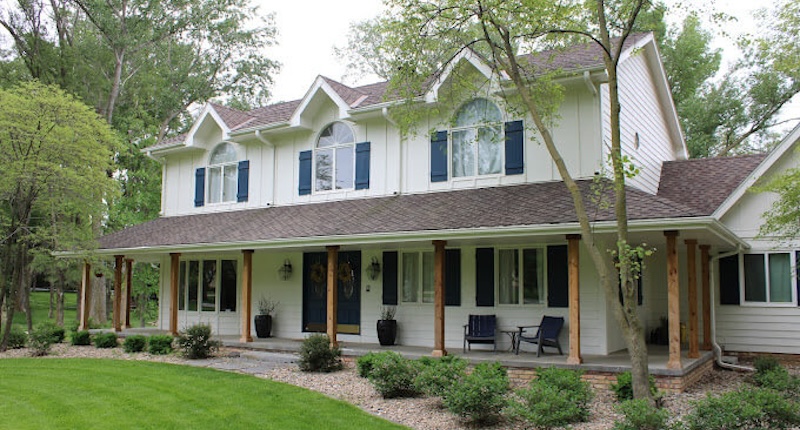
Improve Your Home: The Benefits of New Siding
Homeowners often choose siding replacement for a variety of personal and practical reason, including:
- • Improving curb appeal
- • Addressing storm or hail damage
- • Reducing maintenance
- • Replacing rotting or failing materials
- • Improving moisture protection
- • Increasing home comfort
- • Updating the home’s color and style
- • Preparing the home for resale
- • Fixing recurring siding problems
Why Choose Tevelde and Co. for Siding Replacement?
Tevelde and Co. is a local siding and exterior remodeling contractor serving Omaha and surrounding Nebraska communities. We understand how local weather affects home exteriors, from hail and wind to freezing temperatures and summer heat.
Our team focuses on proper installation, quality materials, and honest recommendations. We do not believe every siding problem requires a full siding replacement. If a repair makes sense, we will tell you. If replacement is the better long-term option, we will explain why and walk you through your choices.
