logo

Omaha Area Home Exteriors Company
Family Owned and Operated

Tevelde and Co.

Call Us:

(402) 699-2670

Replacing Siding After Water Damage

Water damage weakens siding materials, traps moisture where it should not be, and creates conditions that can lead to extensive damage.

When that happens, replacing siding is not only about appearance. It becomes a structural repair, a moisture control upgrade, and an opportunity to rebuild the exterior the right way. We approach these projects with a clear process and a focus on long-term performance.

We work with homeowners across Nebraska who discover siding issues after storms, leaks, or years of gradual wear.

This guide walks you through exactly what you need to know: how water gets in, how to spot the damage, when to repair versus replace, what the replacement process looks like, and how to make sure it doesn't happen again.

Book A Free Siding Replacement Consultation

    How Water Damage Starts (And Why It Spreads Fast)

    Siding is your home's first line of defense against moisture. When it's installed correctly and maintained well, it channels water away from the structural components underneath. When something fails, that same water gets directed right into your walls.

    The most common entry points we find are failed caulking around windows and doors, cracked or loose panels, improper flashing at roof-to-wall intersections, and storm damage that creates gaps or punctures in the siding surface. Any one of these lets water in. From there, the moisture gets trapped between the siding and the house wrap (or worse, soaks through the wrap into the OSB sheathing behind it).

    The speed of the damage depends on how well the house wrap beneath the siding is functioning. A compromised or improperly installed moisture barrier turns a small leak into a major structural problem faster than most homeowners expect. 

    Signs Your Siding Has Water Damage

    Some signs of water-damaged siding are easy to spot. Others take a bit more detective work.
    On the outside, look for:

    • ● Warping, buckling, or siding panels that have pulled away from the wall
    • ● Bubbling or blistering on painted siding surfaces
    • ● Visible mold or mildew growth, especially in low-traffic areas near the foundation or under roof overhangs
    • ● Soft, spongy sections when you press against the siding (this almost always means the sheathing underneath is compromised)
    • ● Siding discoloration or staining that follows a vertical path, indicating water has been running down the same channel repeatedly

    Inside the house, the signals are subtler but just as important. A persistent musty smell in rooms that face the exterior, peeling paint on interior walls with no obvious cause, or unexplained increases in your heating and cooling bills can all trace back to water-damaged siding. When insulation gets wet, it loses its ability to regulate temperature. You feel it in your energy costs before you ever see it on the wall.

    If you're noticing any combination of these signs, a professional siding inspection is the right next step.

    james hardies shingle siding snow on roof shingles
    nebraska home exterior solutions
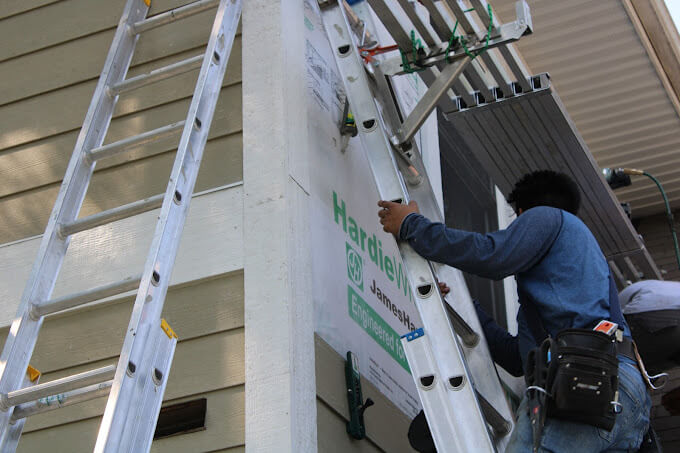
    james hardie siding sunset lane omaha

    Should You Repair the Damage or Replace Water Damaged Siding?

    This is the question most homeowners want answered right away, and the honest answer is: it depends on what's behind the siding, not just what's on the surface.

    A small section of damaged vinyl siding with no moisture penetration into the sheathing? That's usually a straightforward siding repair. But if the damage has reached the house wrap or the structural sheathing, partial repair often leaves you with a problem that re-emerges within a season or two. Water follows the path of least resistance. If the underlying moisture issue isn't fully addressed, it will find a new exit point.

    The age of your siding matters too. Siding that's 20 or 25 years old and showing water damage in one area is likely showing wear throughout. Repairing one section while the rest of the material continues to degrade means you'll be back out there within a few years for another repair, or a full replacement under worse conditions.

    At Tevelde and Co., our inspection process goes beyond the surface. We look at the condition of the house wrap, the sheathing, the flashing, and the trim to give you an accurate picture of what you're actually dealing with. That information is what drives the siding repair or siding replacement recommendation.

    How Water and Moisture Impacts Different Siding Materials

    Not all siding reacts to water the same way. The siding material on your home determines how quickly damage spreads, how easy it is to detect, and how serious the consequences get if moisture sits long enough. Understanding the differences helps you know what to watch for and why some siding materials hold up better than others.

    Fiber Cement Siding

    Fiber cement is the most moisture-resistant siding material we install. It's made from a compressed blend of cement, sand, and cellulose fibers, which means it won't rot, warp, or swell the way wood does when it gets wet. That said, fiber cement siding isn't completely immune to moisture problems. The vulnerabilities show up at the edges, where water can enter through those gaps and reach the sheathing beneath.

    Vinyl Siding

    Vinyl siding doesn't absorb water, which gives a lot of homeowners a false sense of security. The panels themselves won't rot or swell, but vinyl siding is not a watertight system. It's designed to drain, with small gaps and weep holes built in to let water escape. When those drainage paths get blocked by debris, improper installation, or sealant applied in the wrong places, water has nowhere to go and pools behind the panels.

    Wood and Engineered Wood Siding

    Traditional wood siding absorbs moisture directly. When it gets wet and dries repeatedly, it expands and contracts, which eventually leads to cracking, splitting, and paint failure. Engineered wood products like LP SmartSide handle moisture better than traditional wood because the manufacturing process treats the wood fibers with resins and binders that resist absorption. But engineered wood siding still has meaningful vulnerabilities, particularly at cut ends and in areas with chronic moisture exposure like the bottom course of siding near the foundation or around leaky gutters.

    Learn More: How To Prepare Your Gutters For Siding Replacement

    Does Homeowner's Insurance Cover Water-Damaged Siding?

    Sometimes. The key distinction insurance adjusters make is between sudden, accidental water damage and gradual deterioration due to the siding's age or maintenance issues.

    Storm-related damage, including hail impact to your siding, wind damage that allows water infiltration, or a tree limb that damages the siding, is typically covered under a standard homeowner's policy. Gradual water damage from long-term caulk failure or deferred siding maintenance is generally not covered because it falls under the homeowner's responsibility to maintain the property.

    If your siding damage followed a specific weather event, you have a reasonable case for an insurance claim. Document everything before any repairs begin: photograph the damage from multiple angles, note the date of the storm, and get a written assessment from a contractor. Tevelde and Co. has guided many Omaha homeowners through this process. We understand what adjusters look for, and we can help you put together the documentation that supports your siding replacement claim.

    One thing to keep in mind: accepting an insurance settlement before you know the full scope of the damage can leave you paying out of pocket for further repairs. A single panel repair and replacing everything down to the underlayers costs very different amounts. It's important to get a complete siding inspection before you sign anything with your insurer.

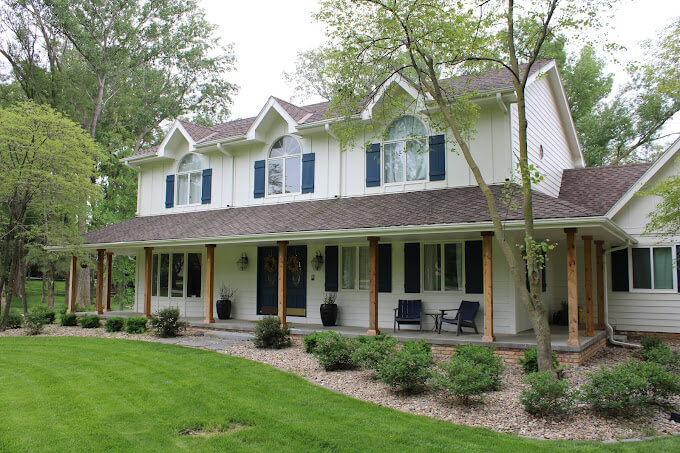
    James Hardie siding replacement contractors Tevelde and Co.
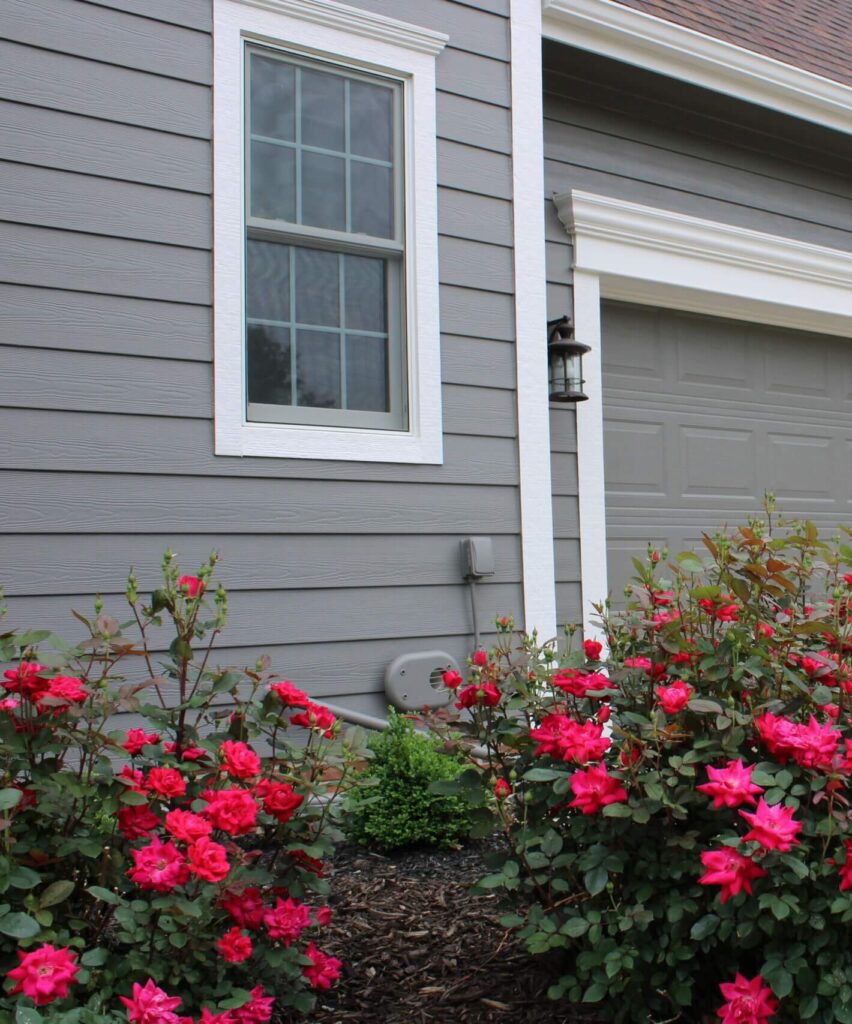
    Omaha area exterior house painting and renovations

    Why Tevelde and Co. for Siding Replacement in Omaha

    We're a family-owned siding, roofing, and home improvement business based in Elkhorn, and we've been working on homes across the Omaha metro for over 25 years. That means we've replaced siding after ice dam damage in Millard, after hailstorms in Papillion, after slow water infiltration in older Dundee homes, and after everything in between.

    Our A+ BBB rating reflects how we handle repairing or replacing siding after water damage. 

    We also offer financing options for homeowners who weren't expecting a major exterior project this year. Water damage doesn't wait for a convenient time in your budget, and we've helped plenty of families get the work done without putting it on a high-interest credit card.

    local window contractors
    home exterior renovations and remodel services

    Frequently Asked Questions

    How do I know if water has gotten behind my siding?

    The most reliable signs are soft or spongy spots when you press against the siding, visible warping or buckling, mold or mildew growth along the base of the wall, and peeling paint on interior walls that share a surface with the exterior. A musty smell in rooms adjacent to the outside is another indicator that moisture has made it past the siding and into the wall cavity. If you’re seeing any combination of these, a professional inspection with a moisture meter will give you a definitive answer.

    Most residential siding replacement projects in the Omaha area take between two and five days from start to finish. The timeline depends on the size of the affected area, the extent of any underlying damage to the sheathing or house wrap, the siding material being installed, and weather conditions during the project. If significant sheathing replacement or mold remediation is needed, that adds time. We give homeowners a clear timeline estimate before work begins and communicate throughout the project if anything changes.

    Not always, but it’s common enough that we check for it on every water damage job. Mold requires moisture and an organic food source, and wet OSB sheathing provides both. Whether mold develops depends on how long the moisture has been present, the temperature, and air circulation in the wall cavity. If we find mold during the repair or replacement process, it’s treated before new materials are installed. Covering mold without addressing it leads to continued growth behind the new siding and potential indoor air quality issues down the road.

    As soon as possible. Water damage in a wall cavity doesn’t stabilize on its own. It spreads. Sheathing that’s damp today is rotting sheathing in a few months. What starts as a siding repair can become a framing repair if enough time passes. Omaha’s seasonal weather patterns also make timing a practical concern. Getting the work done before winter locks in moisture damage and subjects it to freeze-thaw stress can be the difference between a moderate repair cost and a significantly larger one in the spring.

    Ready to Replace Your Water-Damaged Siding?

    If you're seeing signs of water damage on your siding, or if you just want a professional set of eyes on your exterior before the next round of Nebraska weather arrives, we'd be glad to help. We offer free, no-pressure estimates with a detailed look at what's happening and what it will take to fix it correctly.

    (402) 699-2670
    Go To Top