logo

Omaha Area Home Exteriors Company
Family Owned and Operated

Tevelde and Co.

Call Us:

(402) 699-2670

How Hail Can Damage Your Home Siding (And What to Do About It)

After every significant hailstorm, the calls start coming in, and the damage we see on siding is often worse than what homeowners expected. Siding takes a beating in ways that are easy to overlook, and what looks like a few cosmetic dents can quietly set the stage for water damage, mold, and structural problems that cost far more to fix down the road.

This guide walks through what hail actually does to home siding, how different materials respond to impact, what to look for when you inspect your home after a storm, and how to figure out whether you need a repair, a full siding replacement, or a conversation with your insurance company.

Book A Free Siding Replacement Consultation

    Why Hail Is So Damaging to Home Siding?

    A hailstone can reach terminal velocities of 25 to 100 miles per hour, depending on its size. A one-inch stone hits with enough force to fracture vinyl, chip fiber cement, and permanently dent aluminum. At 1.75 inches, you are looking at forces that can crack older wood, punch through compromised panels, and strip surface coatings completely.

    What makes siding particularly vulnerable is its exposure angle. A roof sits at a pitch that deflects some impact energy. Siding, especially on the windward side of a house, takes hail nearly straight on. During a storm with strong lateral winds, horizontal impact forces concentrate on your home's vertical surfaces. A single storm can send thousands of strikes across your siding, each one introducing stress to the material, even if no single strike looks catastrophic.

    Temperature plays a major role too. Vinyl siding that flexes tolerably in August becomes brittle and fragile in October. A mid-fall storm that drops hail when temperatures are in the 40s will cause significantly more cracking and fracturing than the same storm in July. This is something we see regularly in Nebraska, where hail season does not politely end before the cold sets in.

    Common Signs of Hail Damage on Your Home's Siding

    Hailstones hit your home with extreme force, damaging your siding, causing impact marks or cracks, and can even puncture siding. Here are the most common hail damage indicators we see after hailstorms:

    • ● Cracks or holes in siding panels
    • ● Dents or dimpling on the surface
    • ● Chips along edges or seams
    • ● Paint damage or exposed substrate
    • ● Warped or loosened panels
    • ● Impact marks that appear in clusters

    If you notice any of these, there is a good chance your siding took a direct hit from a hailstorm. 

    james hardie siding snow on ground
    roof replacement project in nebraska
    tevelde and co home siding install

    How to Check Your Siding for Hail Damage After a Storm

    A ground-level look at your home's siding after a storm can tell you something, but it rarely tells you everything. Hail damage on the upper half of two-story homes is almost impossible to assess accurately from the ground, and the damage types that matter most (micro-fractures, seam separation, coating loss) are not visible from 30 feet away. Here is what a thorough post-storm inspection should cover:

    • ● Walk the entire perimeter of the home and look for obvious cracks, dents, holes, or missing sections.
    • ● Check soffits, fascia, and trim boards. These thinner components often show the clearest evidence of hail size and impact force, and they are frequently overlooked.
    • ● Look at window frames and any painted wood elements. Chipped paint on these surfaces confirms the storm was severe enough to do real damage.
    • ● Check your HVAC condenser, metal mailbox, or downspouts for dents. These soft metal surfaces are reliable indicators of hail size and density.
    • ● Photograph everything you find. Date the photos and note the location on the home (north elevation, southwest corner, etc.).

    For a full assessment, a professional inspection is the reliable route. We inspect siding up close, including checking seam integrity, surface coatings, and the condition of the housewrap where visible at penetrations. That inspection is also the documentation you need before you call your insurance company.

    When to Repair vs Replace Hail-Damaged Siding

    There is no single rule, but there are clear criteria that point in one direction or the other. Repair makes sense when the damage is limited to a small number of panels, the siding material is relatively recent (under 10 to 15 years for vinyl, longer for fiber cement), and matching replacement panels are available. If hail hit one elevation hard but left the others largely intact, targeted panel replacement is often the right call.

    Replacement becomes the more practical choice when damage is widespread across multiple elevations, when the siding is older and the material has become brittle or faded, or when matching panels are no longer manufactured. This last point creates a real challenge with vinyl siding. Colors fade over years of UV exposure, and even panels from the same manufacturer will look noticeably different side by side if the installed siding is more than five or six years old. In those cases, patching a section draws the eye more than a full replacement would.

    There is also the question of underlying damage. If hail was severe enough to compromise the housewrap, sheathing, or framing, the repair scope expands regardless of the siding material. A thorough inspection tells you what you are actually working with before you commit to a repair strategy.

    Types of Siding Most Affected by Hailstorms

    Every siding material responds to hail impact differently. Knowing what to look for on your specific siding type helps you assess damage accurately and communicate clearly with both your contractor and your insurance adjuster.

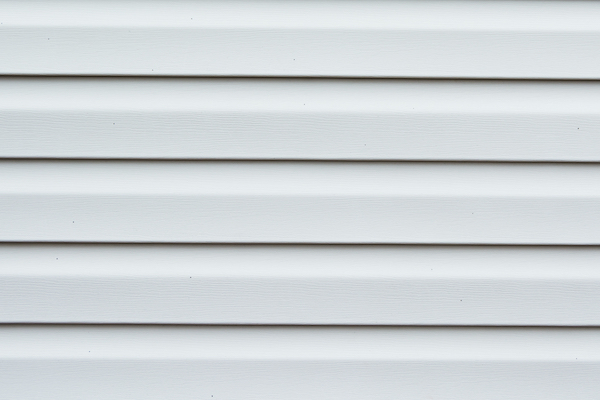
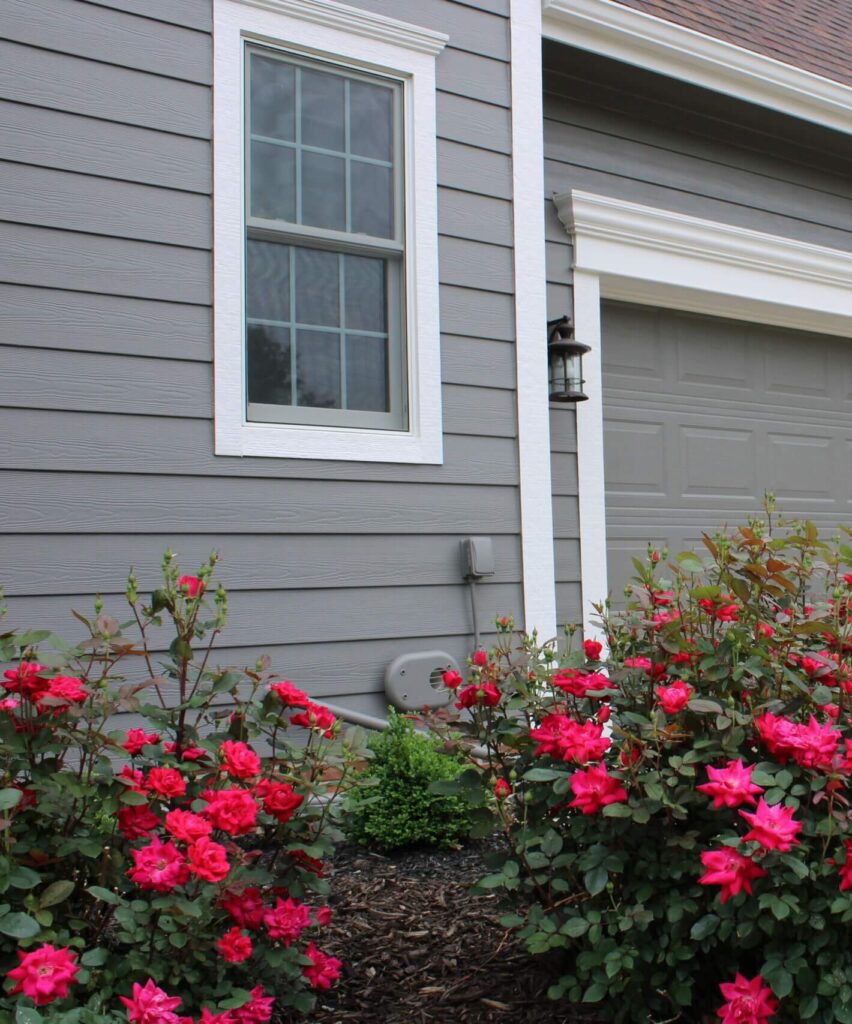
    light gray vinyl siding materials

    Vinyl Siding

    Vinyl is the most common siding material in Omaha neighborhoods, and it is one of the more vulnerable materials when hail hits. Vinyl’s flexibility is an asset in normal conditions, but it works against it under sharp impact. A hailstone hits fast enough that the panel does not have time to flex away from the force, and the material fractures at the point of contact.

    Cracks and chips are the most visible signs. But vinyl also develops stress fractures that are harder to see without close inspection. Look for chalking (a white, powdery residue on the surface), hairline cracks running parallel to the panel’s length, or small holes where a hailstone broke through. During cold-weather storms, the damage tends to be more widespread because the vinyl has no elasticity left in the cold.

    james hardie siding wrap

    Fiber Cement Siding (James Hardie)

    Fiber cement is the most impact-resistant siding material widely available, and it is the primary reason we recommend James Hardie products to homeowners in hail-prone areas like Omaha. James Hardie’s HardiePlank lap siding is engineered to resist impact significantly better than vinyl or wood, and it maintains dimensional stability under temperature extremes that would crack vinyl or split wood.

    That said, fiber cement is not impervious to hail. Hailstones above 1.5 inches can chip the surface or the panel’s edges, and the siding material’s ColorPlus finish can be compromised by direct impacts. The key difference from vinyl is that fiber cement damage tends to be localized. 

    We are one of only 20 contractors in the Midwest to hold the James Hardie President’s Award, and we do fiber cement siding replacement every season. 

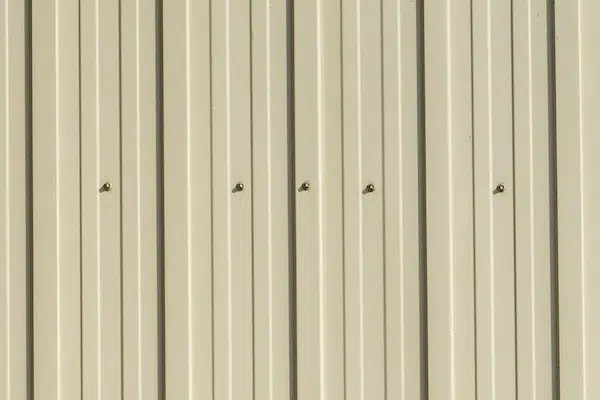
    metal siding material close up

    Aluminum Siding

    Aluminum siding dents on contact with hail and those dents are permanent. Unlike some materials that can spring back or mask minor impacts, aluminum holds every hit. The denting is primarily cosmetic but has a functional consequence: when the panel face deforms, the interlocking seams and fastener points can shift slightly, compromising the moisture seal between panels.

    Aluminum siding also develops paint chalking and oxidation faster after hail impact because the protective coating is disrupted at impact points. A thorough inspection of aluminum siding after a storm should check both the visible face and the seam lines, since separation at the seams is the primary water entry risk.

    Insurance Claims for Hail-Damaged Siding

    When it comes to the claims process, documentation is everything. Your adjuster will come out to assess the damage, and the more clearly you can document what the storm did, the stronger your position. Take photos of every damaged area before any cleanup or temporary repairs. Note the date of the storm, the approximate size of hail you observed, and any other structures on the property that were damaged (fencing, vehicles, detached garage). Cross-reference the storm date with National Weather Service records for your zip code, which provide official confirmation of the event.

    Getting a contractor estimate before your adjuster visit is one of the most valuable steps you can take. An adjuster working quickly across many storm claims may not catch every damaged panel or assess the full scope of the work required. A detailed contractor estimate gives you a documented baseline to compare against the adjuster's assessment. If there are discrepancies, you have grounds to request a reinspection or negotiate a revised payout.

    At Tevelde and Co., we guide homeowners through the siding replacement process. We have worked alongside adjusters on hundreds of hail damage claims in the Omaha area. We know what adjusters look for, how to document damage thoroughly, and how to communicate the scope of repair work clearly. A+ BBB-rated and family-owned, we have no interest in inflating claims, but we do make sure our customers receive the best support while they pursue a claim. 

    Hail damaged siding
    Board and Batten Siding by Tevelde and Co.

    Why Omaha Homeowners Trust Tevelde and Co. After a Hail Storm

    We have been doing this work in Nebraska for over 25 years. That means we have seen every kind of storm damage this region produces, and we have worked with homeowners in Omaha, Elkhorn, Bellevue, Papillion, Gretna, LaVista, and the surrounding communities through the full process from initial inspection to finished installation.

    As a James Hardie Elite Preferred Contractor, we hold ourselves to a standard of installation quality that most contractors cannot match. Our 10-Year Workmanship Warranty backs every project we complete, and our A+ BBB rating reflects the way we treat customers consistently, not just when things are easy.

    Being family-owned means you work with people who live and work in the same communities you do. We are not a storm-chasing crew from out of state that shows up after a hail event and disappears before the first rain. We are here before the storm and long after the job is done. When you call us at (402) 699-2670, you reach people who know your neighborhood, know the materials that perform best in Nebraska's climate, and know how to get you through the insurance process without the headaches.

    local window contractors
    Omaha area exterior house painting and renovations

    Frequently Asked Questions About Hail Damage

    How do I know if my siding has hail damage?

    Look for visible cracks, chips, dents, or holes in your siding panels. Check trim boards, soffits, and fascia for dents, since these show damage clearly. Soft metal items like downspouts and AC condenser fins are also reliable indicators. For a thorough assessment, have a professional inspector examine the siding up close, including seams and areas not visible from the ground.

    As soon as possible. Most insurance policies require you to file within 12 months of the storm date, and some have shorter windows. Waiting also allows any existing damage to worsen, which can complicate the claims process. Schedule a professional inspection within a few weeks of the storm at the latest.

    It depends on the extent of damage and the age of your siding. Targeted panel replacement works well when damage is limited and matching material is available. For older siding where the color has faded significantly, partial replacement can be visually obvious. A thorough inspection will clarify the scope of damage and help you make a practical decision about repair versus full replacement.

    Schedule a Free Hail Damage Inspection

    We offer free hail damage inspections for Omaha-area homeowners. There is no pressure, no obligation, and no cost. We inspect your siding thoroughly, document what we find, and give you a clear, honest assessment of what your home needs. If an insurance claim is warranted, we walk you through that process from start to finish.

    (402) 699-2670
    Go To Top