
Composite Siding Features Explained
Composite siding is built to give homeowners a durable, lower-maintenance exterior option that still looks finished and attractive. In this guide, you will learn what this is made of, why many homeowners choose it, how it handles maintenance, moisture, and long-term wear, how it compares to wood and fiber cement, and what to look at when comparing brands and products before making a final decision.
Though it is not most frequently chosen in Nebraska, it is definitely a real option for homeowners here. Brands like Alside ASCEND and Everlast siding are available through Midwest distribution and dealer networks that serve Nebraska, and that matters in a state where siding has to deal with heat, cold, hail, and strong seasonal climate changes. For homeowners who want something different from standard vinyl or fiber cement, composite siding has become a practical option worth considering.
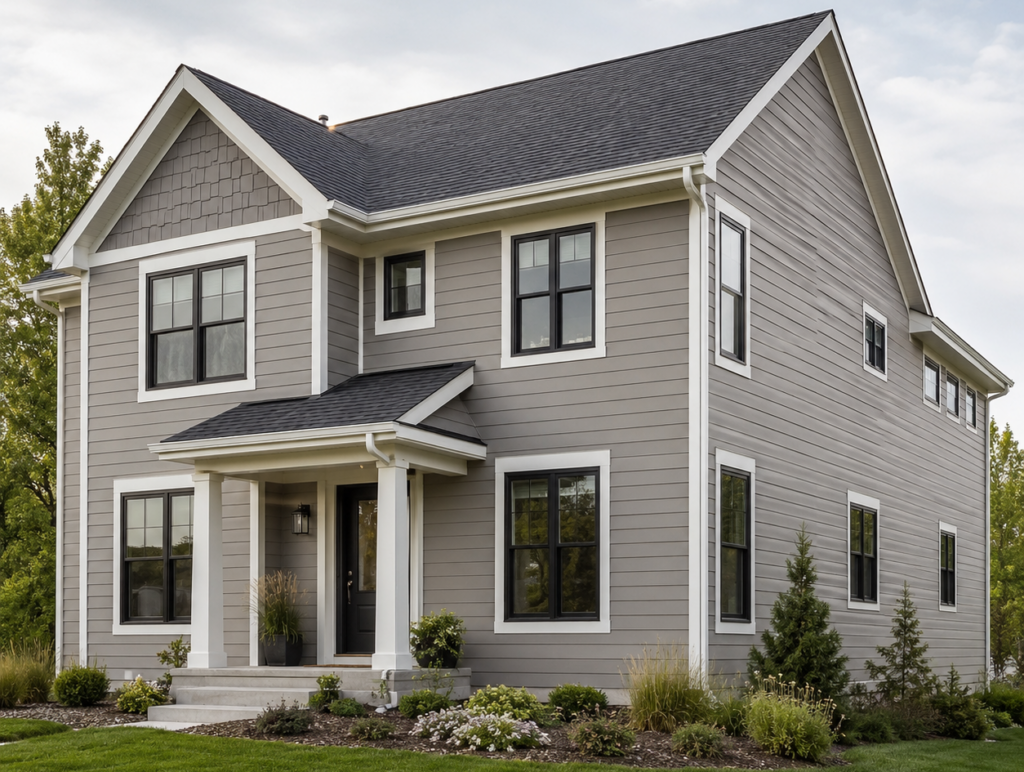
What Is Composite
Composite siding is a manufactured exterior cladding made to give homeowners a durable, attractive, and lower-maintenance alternative to some traditional siding materials. Instead of relying on one raw material alone, it uses a mix of ingredients that are made to improve strength, stability, and climate performance. That makes it appealing for homeowners who want siding that looks good, holds up well, and does not demand constant upkeep.
For many homeowners, the biggest draw is balance. It is built to offer the finished appearance people want on the outside of the home while helping reduce some of the common problems tied to older siding types. It is often chosen by people who want a cleaner long-term solution without taking on the same level of upkeep that can come with natural wood.
What Is Composite Siding Made Of
Composite siding combines multiple materials rather than one single natural source. Depending on the manufacturer, that blend can include polymers, resins, mineral fillers, plastics, or other engineered wood components that help create a more stable product. Some products also include wood-based content, while others are designed without organic material at all.
That difference matters because material composition affects how the composite siding responds to water, climate, impact, and long-term wear. A board that includes organic content may perform differently than one built with a fully synthetic formula. The goal is to create a cladding product that delivers a strong mix of appearance, stability, and resistance without the same vulnerabilities found in some traditional materials.
Why Homeowners Choose Composite Siding
Homeowners often choose composite siding because it offers a practical middle ground between looks and performance. It can deliver the finished appearance of premium exterior cladding while also helping reduce upkeep, water concerns, and early wear. That makes it appealing for people who want to improve curb appeal without signing up for constant upkeep.
Another reason it stands out is flexibility. Many product lines come in different profiles, textures, and colors, which gives homeowners more design freedom. Some are created to mimic the look of cedar or other wood siding, while others focus more on a clean, modern finish. That range makes it easier to find a style that fits the home without sacrificing the practical benefits that make it appealing in the first place.
Composite siding is also often chosen because it feels like a more engineered solution. Instead of relying on the natural strengths and weaknesses of one material, manufacturers design the product to improve performance in key areas. For homeowners looking at long-term value, that can make it a smart option.
Is Composite Siding Low Maintenance
Many products are designed to reduce the level of upkeep required to keep the exterior looking good as it ages. Compared with other options that may need regular scraping, repainting, sealing, or repair, composite siding is often seen as a simpler option.
That does not mean no maintenance at all. Dirt, algae, and normal exterior buildup can still collect on the surface, especially in areas with shade, humidity, or frequent storms. Even so, many homeowners find that routine cleaning and basic inspection are much easier than dealing with recurring paint issues, swelling boards, or repeated repairs.
The appeal here is not just convenience. Low maintenance can also help reduce long-term ownership headaches. For homeowners who want an exterior that stays attractive without becoming a constant project, composite siding can be a strong fit.
Moisture Resistance of Composite Siding Materials
Moisture resistance is one of the most important things to consider with any composite siding product. Composite siding is water resistant, meaning it is built to handle wet conditions better than traditional wood, which is one reason it appeals to homeowners in climates with rain, humidity, or wide weather swings. A well-made composite board can offer better resistance to swelling, water absorption, and related wear.
Even when composite siding is built for better moisture protection, the siding alone is not what protects the wall system. Water can still get past seams, trim, penetrations, and transition points, causing hidden damage. This is why the layers behind the siding matter just as much as the board itself. A quality exterior installation depends on proper flashing, sheathing protection, and a well-installed house wrap working together with the siding.
That is why the best moisture performance comes from the combo of a quality product and a proper installation. Composite siding may help reduce water-related risk, but the full system still needs to be built the right way to protect the home.
Durability
Durability is one of the main selling points of composite siding. Many composite siding products are created to handle the kind of long-term stress that breaks down weaker exterior materials. That can include temperature changes, moisture exposure, impact, surface wear, and daily weathering.
A quality composite siding product is often built to resist common issues like warping, cracking, swelling, and general exterior wear. That makes it attractive for homeowners who want a siding option that can hold up well without constant repair. The exact performance will vary by manufacturer, but composite siding is generally positioned as a durable upgrade over materials that are more vulnerable to repeated weather exposure.
Some composite products also offer improved fire resistance performance compared with wood siding. That does not mean every composite line performs the same, so homeowners should always check specific product data, ratings, and manufacturer details. Still, durability remains one of the strongest reasons many people consider composite siding in the first place.
Composite Siding vs. Fiber Cement and Wood Composite
Composite siding is often compared with wood composite and fiber cement because those are two of the most common alternatives homeowners consider. Each has its place, but the right choice depends on what matters most for the home, the climate, and the homeowner’s maintenance expectations.
Compared with wood siding, composite siding is often seen as the more practical option for long-term upkeep. Composite wood can look great, but it usually needs more attention over time. Water, weather exposure, and general aging can lead to more repainting, repairs, and ongoing siding maintenance. Composite siding is often chosen by homeowners who want a similar finished look without taking on the same level of work.
Fiber cement siding is known for durability, but it is usually heavier and can make installation more labor-intensive. Composite siding is often lighter, which can simplify handling and installation. Some homeowners also prefer composite because it can offer a good mix of durability, appearance, and lower maintenance in one package.
This does not make composite the automatic winner for every home. Wood still appeals to homeowners who want a more traditional material, and fiber remains a strong option for many properties. The point is that composite siding often stands out for homeowners who want a more balanced mixture of performance and convenience.
Brands and Product Features
Not all composite materials are built the same. Some brands focus on creating a cedar-like appearance. Others focus more on engineering, insulation, impact resistance, or ease of installation. That is why it is important to compare specific product line features instead of treating all composite siding as one category.
Everlast is one of the better-known names in composite siding. It is designed to give homeowners the look of cedar without the same level of upkeep. It is available in horizontal lap siding and board and batten profiles, which gives homeowners an array of style options. For people who want wood-inspired curb appeal with a lower-maintenance exterior, that is a big part of the brand’s appeal.
ASCEND Composite Cladding from Alside is built differently than some other composite options. It uses a combination of glass-reinforced polymer and graphite-infused polystyrene. That makes it a good example of a product line that leans more into performance engineering, lighter handling, and impact-related strength.
Tando Composites is another useful comparison, especially for homeowners who like the smooth look of cedar shakes. Its Beach House Shake line focuses on shingle-style appearance, color stability, and a faster installation compared with natural cedar shingles. That makes it a good choice for homeowners whose priority is specific exterior styles.
The main takeaway is simple. Composite siding is a category, not one identical product. Brand, composite material formula, profile, finish, warranty, and installation requirements can all vary.
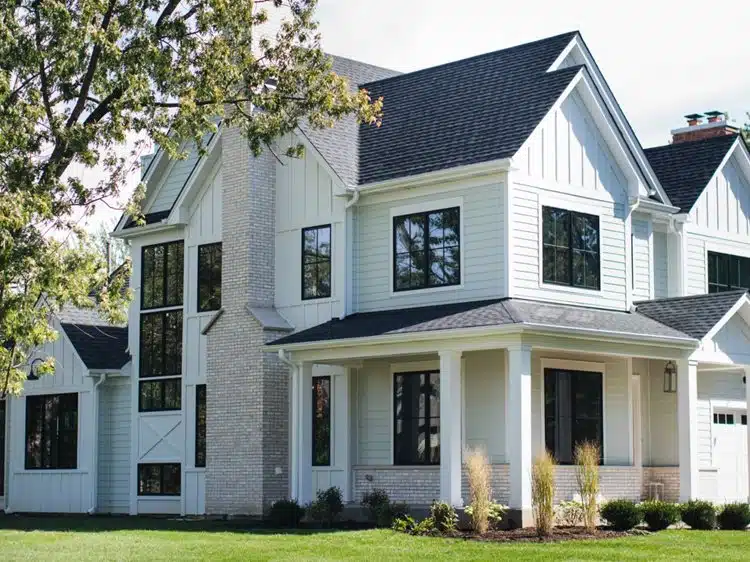
What to Consider Before You Choose
Before choosing composite siding, homeowners should look beyond appearance alone. The product needs to fit the home’s style, local climate, maintenance goals, and overall budget. It is also important to compare how the product is built, what warranty is offered, and whether it is readily available in your area.
Installation
Installation matters just as much as product selection. Even advanced composite siding board can underperform if it is installed poorly. Proper flashing, spacing, water management, and transition details all affect how well the system performs over time. That means the contractor matters as much as the brand.
Priorities
It also helps to think through priorities before making a final decision on composite siding. Some homeowners care most about a wood-look finish. Others are more focused on water resistance, lower maintenance, or long-term durability. Composite siding products should be researched with clear priorities in mind, instead of getting distracted by surface-level marketing.
Warranty
Choosing the right siding is not only about appearance, durability, and upkeep. It is also about understanding siding warranties that comes with the product after installation. As homeowners compare composite siding with other options, it is smart to look at the warranty details behind each product, including what is covered, what can void that coverage, and how installation quality affects long-term protection. That next layer of research can make a big difference when narrowing down the best siding choice for your home.
Time to Call a Nebraska Siding Expert
Choosing siding is about more than curb appeal. It is about finding a product that fits your home, your goals, and the kind of long-term performance you expect. Composite siding can be a strong option for homeowners who want durability, lower maintenance, and a finished look that lasts, but the right choice still depends on the product and the installation.