

Whole-House Window Replacement
Replacing every window in your home is a major project, but it can solve several problems at once. Old windows may create drafts, allow unwanted heat transfer, become difficult to operate, or make the exterior look dated. When the same problems appear throughout the house, a whole-house window replacement may be more practical than repairing or replacing one window at a time.
Tevelde & Co. provides whole-house window replacement services for homeowners in Omaha and surrounding Nebraska communities. Our team helps you compare window styles, frame materials, glass packages, colors, and installation options. We also inspect each opening so the project accounts for the condition of your existing windows and the surrounding exterior.
A complete window replacement project gives you the opportunity to improve comfort, update the appearance of your home, and create a more consistent window system from room to room. It also allows the work to be planned and completed as one coordinated exterior improvement.
Book A Free Window Replacement Consultation
What Is Whole-House Window Replacement?
Whole-house window replacement involves replacing most or all of the exterior windows in a home during one project. The scope may include windows of different sizes, styles, and locations. A typical home may use double-hung windows in bedrooms, casement windows in living areas, picture windows near a main view, and smaller awning or sliding windows in bathrooms and basements.
The new windows do not need to be identical. The goal is to choose products that work well together and suit the needs of each room. Frame colors, grille patterns, hardware finishes, and glass options can be coordinated so the home has a consistent appearance.
Whole-house replacement differs from a small repair or single-window installation. The project requires measurements for every opening, product selection across the entire home, a detailed installation plan, and coordination around interior access, exterior trim, siding, and landscaping.
Should You Replace All Your Windows at Once or in Phases?
Both approaches can work. The right choice depends on the condition of the windows, the project budget, and the homeowner’s priorities.
Whole-house replacement may be the better fit when most windows are old, inefficient, damaged, or difficult to use. It also provides the best opportunity to keep products, colors, and design features consistent.
Phased replacement can make sense when only part of the home has urgent problems or when the project needs to be divided across several budget periods. Some homeowners begin with bedrooms, the front elevation, or rooms with the most severe drafts and water damage.
One factor to consider is product availability. Window lines, finishes, grille options, and hardware selections may change over time. Replacing windows over several years can make exact matching more difficult.
Tevelde & Co. can inspect the existing windows and help identify which openings need immediate attention. Functional windows do not always need to be replaced simply because another area of the home has a problem.

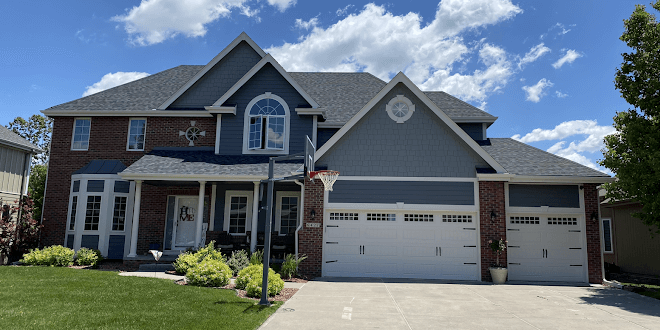
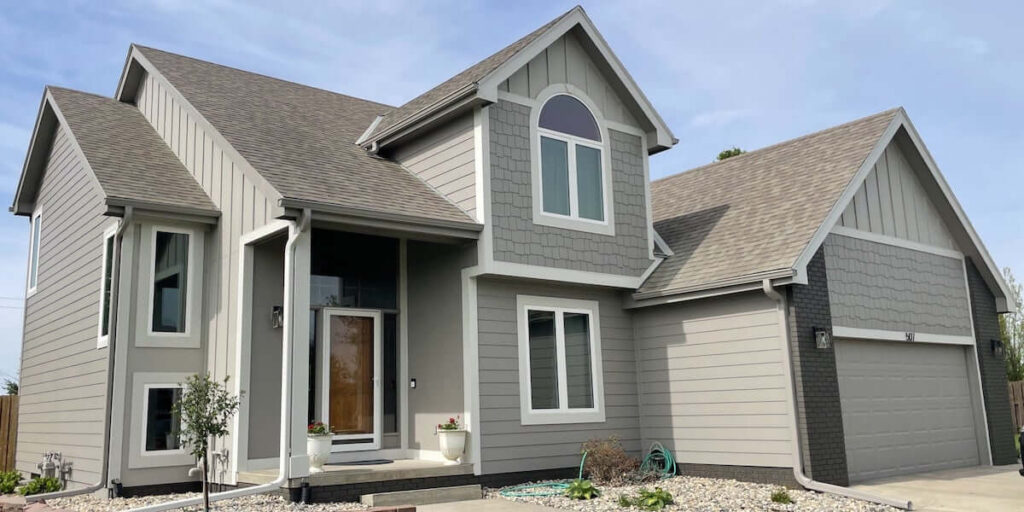
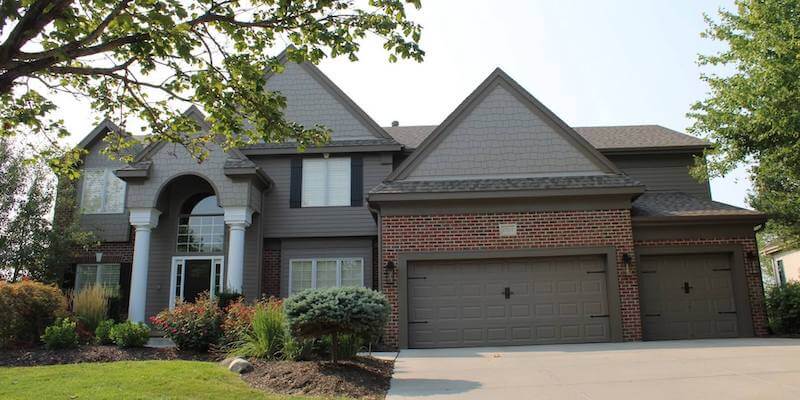
Benefits of Replacing Every Window at Once
Replacing all the windows in one project requires a larger upfront investment, but it can make planning, design, and installation more consistent.
More Consistent Indoor Comfort
Old or poorly sealed windows can create noticeable temperature differences throughout a home. Rooms near large window areas may feel colder in winter or warmer in summer.
A coordinated window package can improve comfort by reducing air leakage and limiting heat transfer through the glass and frame.
Better Energy Performance Throughout the House
Modern window performance depends on several components working together. These include the frame material, insulated glass, Low-E coatings, gas fills, spacers, weatherstripping, and installation method.
Replacing only a few windows may improve those individual rooms. Whole-house replacement addresses window performance throughout the home.
A Consistent Exterior and Interior Appearance
Replacing all the windows at once makes it easier to match exterior frame colors, interior finishes, grille patterns, and hardware.
This can be especially useful when the existing windows are faded, mismatched, or no longer fit the architectural style of the house.
Easier Operation and Maintenance
New windows may include smoother operating systems, secure locks, removable or tilt-in sashes, and low-maintenance frame materials.
The exact features depend on the window style and product line. During design, each room can be matched with a window that provides the right balance of ventilation, light, cleaning access, and privacy.
One Coordinated Installation Project
A whole-house project allows measurements, ordering, scheduling, removal, installation, cleanup, and final inspection to be managed together.
Homeowners only need to prepare rooms and exterior work areas once instead of repeating the process over several years.
Fewer Repeated Repairs
When windows throughout a home are similar in age, one repair may be followed by another. Replacing the full system can reduce the need to keep addressing separate age-related failures.
New windows still require basic care, cleaning, and periodic inspection. The difference is that the home begins with a consistent group of properly installed products.
Signs It May Be Time to Replace All Your Windows
Window problems often develop gradually. One failed seal or damaged sash may be an isolated issue. When similar problems appear throughout the home, replacing the full window system may provide a better long-term result.
Your Windows Are Nearing the End of Their Service Life
Windows installed at the same time often begin showing wear during the same general period. Seals may fail, hardware can loosen, frames may deteriorate, and insulating performance may decline.
If many windows are old or original to the house, repeated repairs can become inconvenient. A whole-house project allows the windows to be evaluated and replaced under one plan.
Drafts Are Present Throughout the Home
Drafts around windows can make certain rooms uncomfortable during cold Nebraska winters or hot summer weather. Air may enter around worn weatherstripping, loose sashes, frame gaps, or poorly insulated openings.
A draft does not always mean the glass itself has failed. Proper replacement requires evaluating the frame, insulation, sealants, and surrounding wall connection.
Energy Bills Have Increased
Older windows may allow more heat to escape during winter and more solar heat to enter during summer. This can cause heating and cooling equipment to run more often.
New windows can improve the thermal performance of the opening, especially when they include insulated glass, Low-E coatings, effective weatherstripping, and properly installed frames. Actual energy savings vary based on the home, the existing windows, insulation levels, HVAC performance, and household habits.
Several Windows Are Difficult to Open, Close, or Lock
Windows should move smoothly and lock securely. Warped frames, damaged balances, worn tracks, broken hardware, or shifting openings can make everyday operation difficult.
Windows that do not open properly may also limit ventilation or create concerns in bedrooms and other areas where an operable window may be needed for emergency access.
Condensation Appears Between the Glass Panes
Moisture trapped between panes often indicates a failed insulating glass seal. Once the seal fails, the window may appear foggy or cloudy.
Condensation on the interior surface can have other causes, including indoor humidity and cold exterior temperatures. Our team can help determine whether the moisture is inside the glass unit or on the exposed surface.
Frames Show Rot, Cracks, or Water Damage
Soft wood, peeling finishes, dark stains, cracked frames, swollen trim, and visible water marks can point to moisture problems around a window.
Replacing the window without addressing the opening may leave the underlying issue unresolved. A proper evaluation should consider the rough opening, trim, flashing, siding transitions, and areas where water may enter.
The Windows No Longer Match the Home
Homes sometimes contain several generations of replacement windows. Frame colors, grille patterns, hardware, and styles may vary from room to room.
A complete replacement project creates an opportunity to establish a consistent design. New windows can be coordinated with existing siding or included as part of a broader exterior renovation.
Choosing Replacement Windows for Your Entire Home
Window selection should account for appearance, operation, maintenance, energy performance, and cost. A whole-house project usually includes several product decisions.
Window Frame Materials
Vinyl windows are commonly selected for their low maintenance, insulation, and cost. They do not require painting and are available in a range of colors and configurations.
Fiberglass and composite frames can provide added strength and dimensional stability. These materials may be useful for larger openings or homeowners looking for a different finish and performance profile.
Wood and wood-clad windows provide a traditional interior appearance. Exterior cladding can reduce maintenance while preserving the look of wood inside the home.
The best option depends on the house, budget, preferred appearance, and level of maintenance the homeowner is comfortable managing.
Glass and Energy-Efficiency Options
Replacement windows are available with several glass packages. Common options may include double-pane glass, triple-pane glass, Low-E coatings, insulating gas fills, and warm-edge spacer systems.
The U-factor measures how well a window limits heat transfer. Lower values generally indicate better insulating performance. The solar heat gain coefficient measures how much solar heat passes through the glass.
Nebraska homes experience cold winters, hot summers, strong winds, and rapid temperature changes. The glass package should be selected for year-round conditions rather than one season alone.
Interior and Exterior Frame Colors
Frame color affects both the interior and exterior appearance of the home. Some windows have the same color on both sides, while others offer different interior and exterior finishes.
Exterior colors can be coordinated with siding, roofing, trim, gutters, and doors. Interior finishes should work with wall colors, casing, flooring, and the overall design of each room.
Grilles, Hardware, and Decorative Details
Grilles can create a traditional divided-light appearance or support a specific architectural style. Common patterns vary based on the size and type of window.
Hardware finishes can be coordinated with door handles, plumbing fixtures, and interior finishes. Privacy glass, obscure glass, tempered glass, and decorative glass may be used in bathrooms, stairways, entry areas, and other specific locations.
Window Screens
Screen options vary by window type. Some windows use full screens, while others use half screens or removable screen panels.
The screen design should be confirmed during product selection, especially for windows where ventilation and exterior views are important.
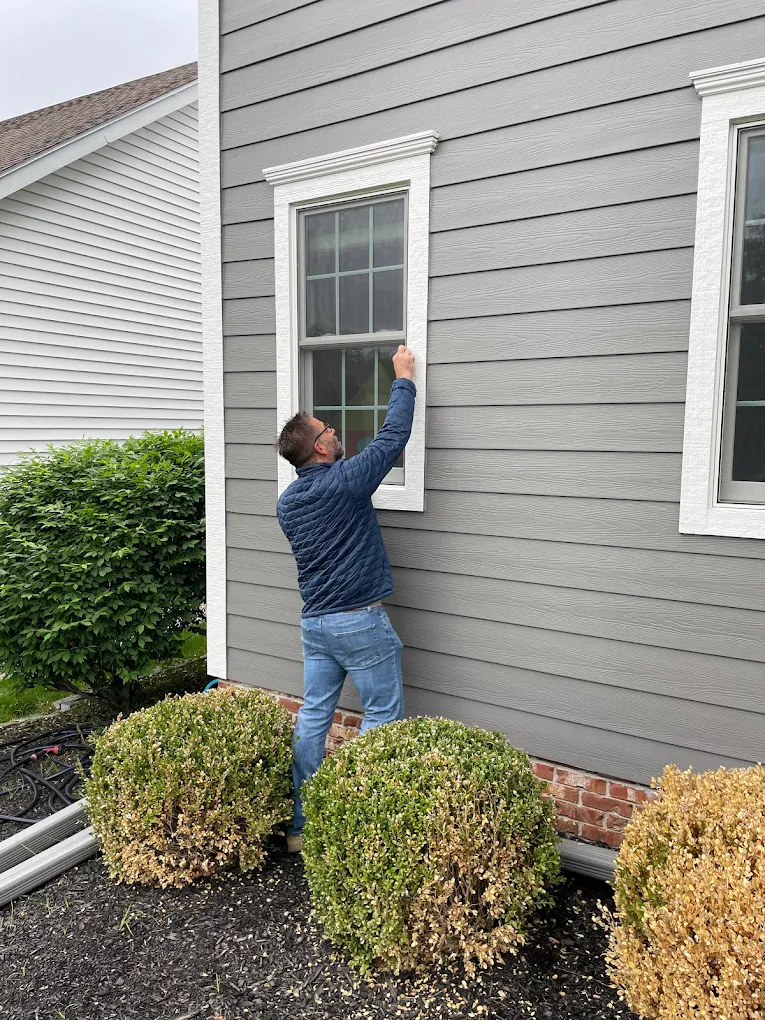
Whole-House Window Replacement for Nebraska Weather
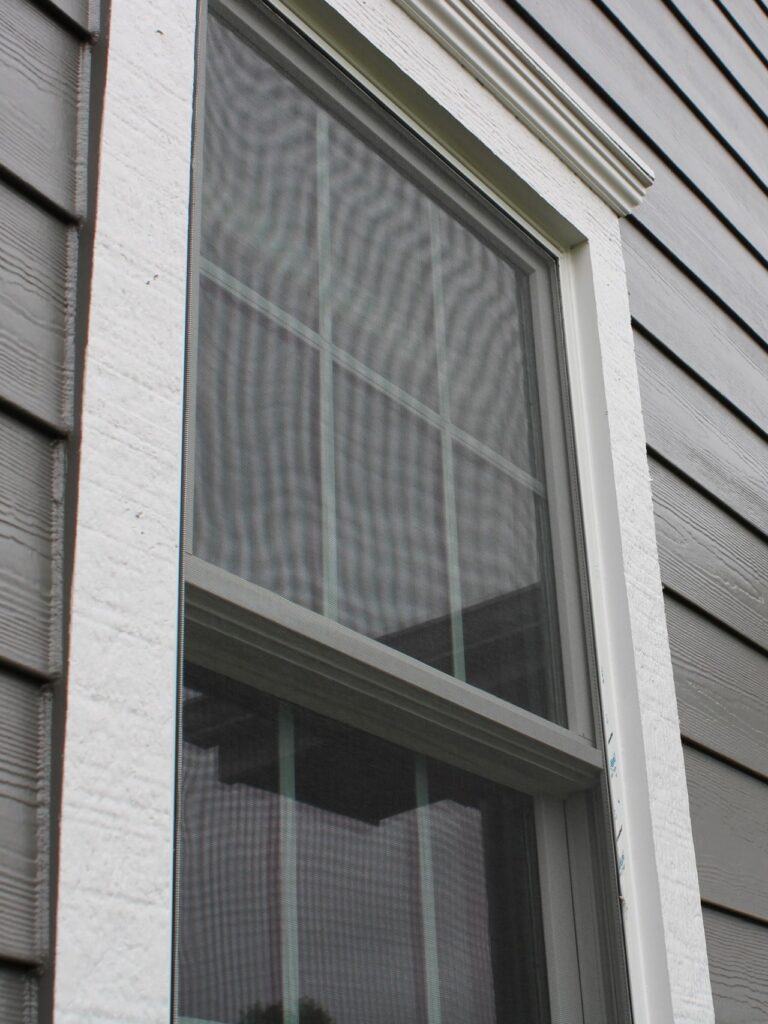
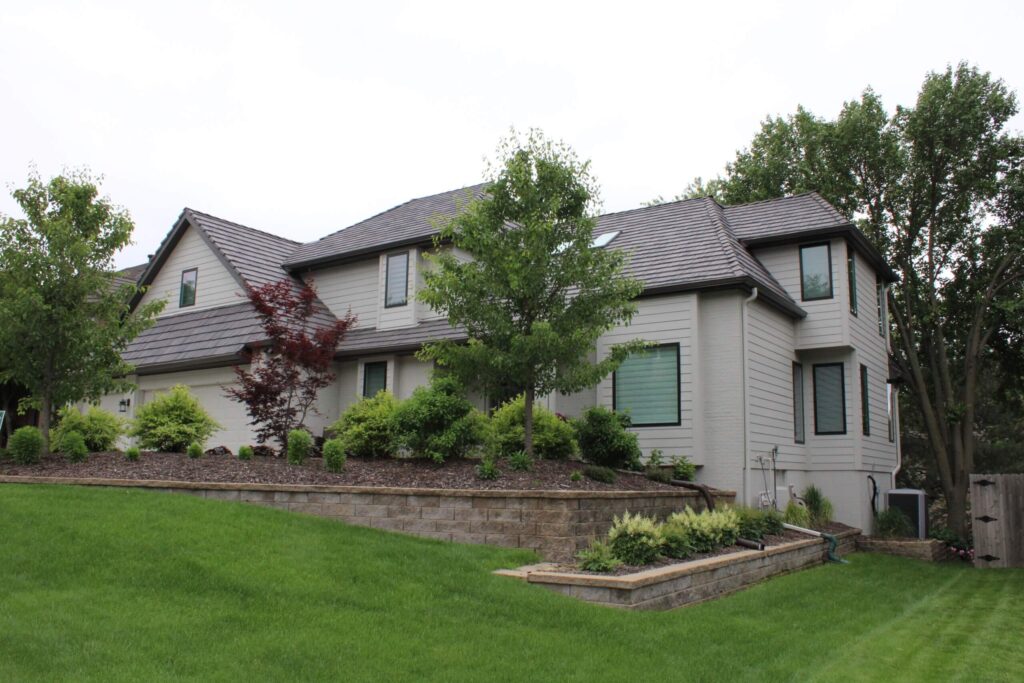
Windows in Nebraska must perform through freezing temperatures, summer heat, wind, rain, hail, and changing humidity. Product quality matters, but installation is equally important.
Insulated glass and Low-E coatings can help manage heat transfer. Stable frames and effective weatherstripping can reduce air leakage. Proper flashing and sealants help direct water away from the opening.
The space between the replacement window and the rough opening must also be insulated correctly. Gaps around the frame can reduce comfort even when the window itself has strong performance ratings.
Tevelde & Co. works with established window manufacturers and helps homeowners compare products based on the needs of the house rather than relying on a single feature or rating.


Frequently Asked Questions
How Long Does Whole-House Window Replacement Take?
Project length depends on the number of windows, installation method, opening condition, window style, accessibility, weather, and finish work.
Custom ordering and on-site installation are separate parts of the schedule. Windows must first be measured, selected, ordered, manufactured, and delivered. Installation begins after the products are available and the project is scheduled.
A smaller home with straightforward insert replacements may move faster than a large home with full-frame windows, damaged openings, bay windows, or extensive trim work.
Tevelde & Co. provides a project schedule based on the final scope rather than using one timeline for every house.
Can You Stay Home During Window Replacement?
Homeowners can often remain in the house during installation. The work does create temporary noise, airflow, dust, and room access limitations.
Furniture and window treatments need to be moved before the crew reaches each opening. Pets should be kept in a secure area away from workers and open doors. Parents may also want to plan around naps, remote learning, or young children.
People working from home may prefer to use a room on the opposite side of the house or make alternate arrangements during the noisiest part of the project.
What Affects Whole-House Window Replacement Cost?
There is no universal cost per window that applies to every home. A detailed estimate should account for each opening and the full installation scope.
Number and Size of Windows: A home with ten standard windows will have a different project cost than a home with twenty-five windows, oversized units, or custom shapes.
Window Style: Fixed picture windows are constructed differently from casement, double-hung, bay, bow, and specialty windows. Operating systems and structural requirements affect cost.
Frame Material and Product Line: Vinyl, composite, fiberglass, wood, and clad products fall into different price ranges. Upgraded construction, finishes, and hardware can also affect the total.
Glass Package: Triple-pane glass, advanced Low-E coatings, privacy glass, decorative glass, tempered glass, and specialty performance packages can increase the cost of individual units.
Installation Method: Insert replacement usually requires less removal and finish work than a full-frame installation. Full-frame work provides broader access to the opening but may involve trim, siding, framing, or paint work.
Opening Condition: Rot, water damage, uneven framing, damaged sheathing, and failed flashing may need to be corrected before the new window is installed.
Accessibility: Second-story windows, steep grades, limited yard access, large landscaping features, and oversized units may require additional labor or equipment.
Interior and Exterior Finish Work: New casing, trim boards, painting, staining, siding repairs, and other finish details should be included in the project scope.
Request a Whole-House Window Replacement Estimate
Replacing all the windows in your home requires more than choosing a product from a catalog. Tevelde & Co. can evaluate your current windows, explain available styles and materials, and prepare a detailed estimate for the full project. Contact Tevelde & Co. to schedule a whole-house window consultation in Omaha or a surrounding community.
(402) 699-2670