logo

Omaha Area Home Exteriors Company
Family Owned and Operated

Tevelde and Co.

Call Us:

(402) 699-2670

How to Weatherproof Windows

Windows play a bigger role in home comfort than people expect, especially in Nebraska, where winter cold, summer heat, and steady wind put constant pressure on the building envelope. They play a major role in your home's energy performance, such that even a small draft can lead to rising energy bills and noticeable discomfort.
 
That’s why weatherproofing your windows is a smart, practical step toward keeping your home efficient and protected year-round. This guide explains how window weatherproofing works, where it helps, where it stops helping, and how to decide what makes sense for your home.

James Hardie Stava Windows

Book A Free Window Consultation

    Why Do You Need to Weatherproof Your Windows?

    Let’s start with the basics: weatherproofing your windows keeps outside air where it belongs and prevents your hard-earned heating and cooling from escaping.
     
    In the winter, that means fewer drafts and more even indoor temperatures. During summer, it means your A/C doesn’t have to work overtime. But it goes beyond comfort alone. Proper weatherproofing can reduce your monthly energy costs, protect your window frames from moisture-related damage, and even make your home quieter.
     
    Homeowners in Nebraska face a wide range of seasonal temperature swings and wind exposure. If your windows aren’t sealed tight, your HVAC system is likely working harder than it needs to. Well-sealed windows keep indoor temperatures more even, reduce noise from outside, and block out pollen or dust. Most homeowners notice their energy bills dropping, sometimes by 10-20 percent, after repairs or upgrades.
     
    Signs that Your Window Needs Weatherproofing

     
    Weatherproofing generally involves sealing cracks and gaps around your window frames. However, some of these crevices can be difficult to spot. So, if you’re not sure your windows need help? Here are a few signs we see all the time:
     
    • ● You feel cold air around closed windows in the winter
    • ● You see condensation between double-pane window glass
    • ● There are visible cracks or gaps in the caulking or trim
    • ● Your utility bills spike during extreme weather
    • ● Rooms near windows stay hotter or colder than the rest of the house
     
    If you’ve noticed any of the above, chances are your windows are losing energy and costing you more than they should.

    nebraska siding home improvement contractor
    nebraska home exterior services
    window installation exterior remodel nebraska

    Different Weatherproofing Methods for Your Windows

    There’s no single fix for every window issue. The best approach depends on what kind of windows you have, how old they are, and how much you’re willing to invest. Here’s how we typically help homeowners seal up drafts and improve window performance.
     

    Caulking Gaps and Cracks

     
    This is one of the simplest and most effective steps you can take. We use high-quality silicone or polyurethane caulk for outdoor use, and acrylic latex caulk indoors (especially if it needs to be painted). Here’s how to do it:
     
    • ● Scrape away old, cracked caulk
    • ● Clean the area to remove dust and debris
    • ● Apply a fresh bead of caulk along any gaps between the window frame and siding or trim
    • ● Smooth it with a caulk tool or your finger for an even seal
     
    Most caulk lasts 5 to 10 years, depending on sun exposure and moisture levels.
     

    Installing or Replacing Weathersripping

     
    If your windows still function well but leak around the sash, weatherstripping is the next step. It’s especially useful on double-hung, casement, or sliding windows. Some of the common types of weatherstripping include:
     
    • Foam tape: Easy to apply and flexible, ideal for interior sash edges
    • V-strip (tension seal): Great for tight corners and vertical slides
    • Felt strips: Affordable but less durable, work well for low-use areas
    • Rubber gasket seals: Higher-end option for superior compression sealing
     
    Make sure to measure and clean the window before applying, and press firmly for proper adhesion.
     

    Adding Interior Window Insulation Film

     
    Window film adds a near-invisible barrier that reduces heat transfer. It’s commonly used as a temporary winter solution, but can be left in place longer if installed well.
     
    Application Tips:
    • ● Choose a clear film insulation kit with double-sided tape
    • ● Apply the tape around the window frame interior
    • ● Stretch the plastic sheet over the window and use a hairdryer to shrink it tight.
    •  
    This method helps trap air between the film and glass, acting like a thin insulating layer. It’s a good choice for renters or homes with older windows.

    local window contractors nebraska
    Tevelde and Co. trucks for omaha contractors
    Tevelde and Co crew replacing windows

    When to Call an Expert for Weatherproofing

    DIY window weatherproofing can handle small gaps and short-term problems, but some situations go beyond what home fixes can solve. In these cases, bringing in a window professional is the smarter and safer option.
     
    Failed Window Seals
     
    Moisture or fog trapped between the panes of a double-glazed window usually means the internal seal has failed. Once this happens, outside air can move freely in and out, reducing insulation performance and driving up energy bills. Repairing or replacing the seal requires specialized tools and expertise.
     
    Moisture Intrusion and Mold Growth
     
    Discoloration, water marks, or mold around the window frame or sill point to ongoing moisture penetration. Left unaddressed, this can weaken surrounding materials and lead to costly structural damage. A professional inspection is often needed to locate the source of the leak and determine the right long-term solution.
     
    Physical or Structural Damage
     
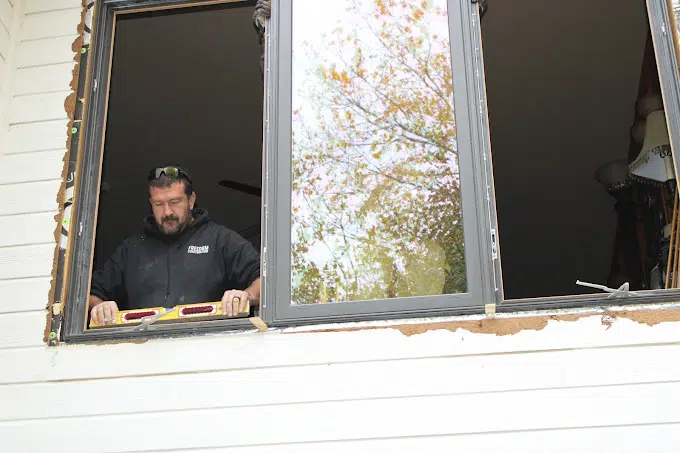
    Windows with warped frames, damaged sashes, cracked glass, or persistent gaps that caulking can’t fix are usually no longer sealing properly. These issues allow drafts and heat loss, and often indicate that full window replacement is more practical than repeated repairs.

    inspecting window and siding

    Why Professional Services Make a Difference

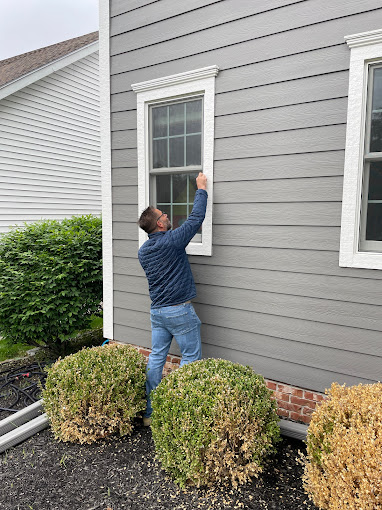
    Trained window specialists can identify underlying problems that are easy to overlook with DIY methods. Based on your window type and condition, we can recommend the most effective weatherproofing materials and techniques.
     
    Rather than offering temporary fixes, professionals aim for long-term performance. We use durable sealing systems such as high-quality weather stripping and insulating foams to block air and moisture infiltration. Proper installation also reduces the risk of future leaks and helps maintain consistent indoor comfort year-round

    Schedule a Free Window Evaluation

    We offer free consultations to assess your windows, spot problem areas, and recommend options that match your budget.

    (402) 699-2670
    Go To Top