logo

Omaha Area Home Exteriors Company
Family Owned and Operated

Tevelde and Co.

Call Us:

(402) 699-2670

How to Fix Drafty Windows

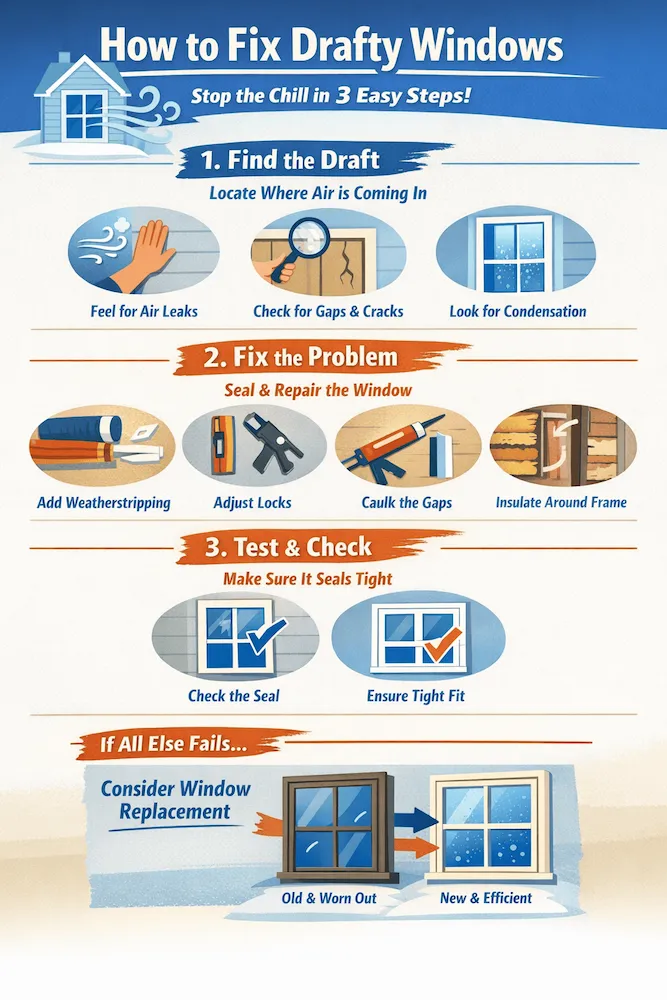
Drafty windows usually get fixed in three steps. First, find where the air is coming in. Next, fix the cause using the right approach, which might mean new weatherstripping, adjusting or replacing the lock, sealing small cracks with caulk, or removing trim to add insulation and air sealing around the frame. In the worst cases, the window is simply worn out and needs replacement. Then, make sure the window closes tight and the seals compress evenly.

If one room feels colder even when the heat is running, drafty windows are a common reason. Homeowners across eastern Nebraska run into this every winter, especially on windy days and during big temperature swings.

This guide shows simple ways to spot the problem and decide what to do next. Sometimes a careful repair and better sealing solves it. Other times replacement is the smarter move because the window has reached the end of its useful life. Either way, the goal is the same: stop the drafts, keep indoor temperatures steady, and avoid moisture issues around the window.

Advantages of Pella Windows for Nebraska homes

Book a Free Window Consultation

    What “Drafty Windows” Usually Means

    When people say “drafty,” they often mean one of three things:

    • ● The first is real air leakage, which is outside air moving through a gap in the window or around the window frame.
    • ● The second is comfort loss from cold glass, where the window surface is so cold that it makes the room feel chilly even if there is no major air leak.
    • ● The third is a moisture problem, where condensation shows up because the inside surface is cold and humid indoor air keeps hitting it.
    All three of these drafty window problems can be identified and solved with a few quick tests or by calling our expert window installers at Tevelde and Co.

    Step 1: Figure Out What You Are Feeling

    People say “drafty” for a few different reasons.

    • ● Real air leak: You feel air moving around the frame or trim.
    • ● Cold glass: The room feels colder near the window, even without air movement.
    • ● Moisture: You see condensation on the inside of the glass.

    The right fix depends on which one is happening.

    Step 2: Fix the Easy Air Leaks First

    Start with the parts that fail most often.

    • ● Replace weatherstripping: This is the soft seal the window presses against when it closes. If it is worn, air gets in.
    • ● Tighten or replace the lock: The lock helps pull the window tight. If it is loose, the seals do not press together well.
    • ● Seal small gaps at the trim: If you see cracks where the trim meets the wall, caulk can help.

    If the window still feels drafty, the leak may be behind the trim.

    Step 3: Seal the Space Behind the Trim

    This is a common problem, even on newer homes. The area between the window and the wall framing should be sealed and insulated. If it is not, outside air can move into the house.

    A pro fix usually includes:

    • ● Removing the inside trim carefully.
    • ● Checking for empty spaces or missing insulation.
    • ● Sealing the gap with the right foam or sealant.
    • ● Putting the trim back and sealing the edges.

    This step often makes the biggest difference.

    Step 4: Fix Cold Glass Problems

    Sometimes the window is not leaking air. The glass is just cold.

    These fixes help:

    • ● Better glass that insulates well.
    • ● Storm windows in the right situations.
    • ● Better airflow in the room so cold air does not sit near the window.

    If the window is old or single-pane, replacement may be the only real fix.

    Step 5: Fix Condensation the Right Way

    Condensation happens when warm indoor air hits cold glass.

    Fixes can include:

    • ● Better bathroom and kitchen ventilation.
    • ● Lower indoor humidity in winter.
    • ● Fixing attic air leaks that push moisture into the home.
    • ● Replacing glass units that are fogged between panes.

    Wiping the window helps for the day. It does not solve the cause.

    When Replacement Makes More Sense Than Repairs

    Repairs work when the window is still in good shape. Replacement is usually better when you have:

    • ● Rot in the frame or sill.
    • ● A window that will not close or lock well.
    • ● Fogging between panes.
    • ● The same draft problems are coming back after past repairs.

    If you want a clear answer, we can inspect the windows and show you the best options for your home.

    how to fix drafty windows

    Get Your Drafty Windows Evaluated For Free

    If your home feels drafty in several rooms and you do not know where to start, a free window evaluation can be helpful. We often see our inspections confirm what the homeowner already suspects and allow us to identify the specific drafty spots and problem areas: certain windows, certain exterior walls, and attic bypasses. With With this information in hand, we can put together a window repair or replacement project scope that lets you move forward with confidence. 

    If you want to try to identify the issue before your free window evaluation and inspection, here are some easy at-home tests that you can try:

    Infrared thermometer spot checks

    An infrared thermometer can show cold areas quickly. You are looking for differences in the temperature. Compare the temperature at the middle of the glass to the temperature at the trim, the stool, and the wall near the window. A cold strip along one side can point to an opening gap or a seal issue.

    The hand and tissue test

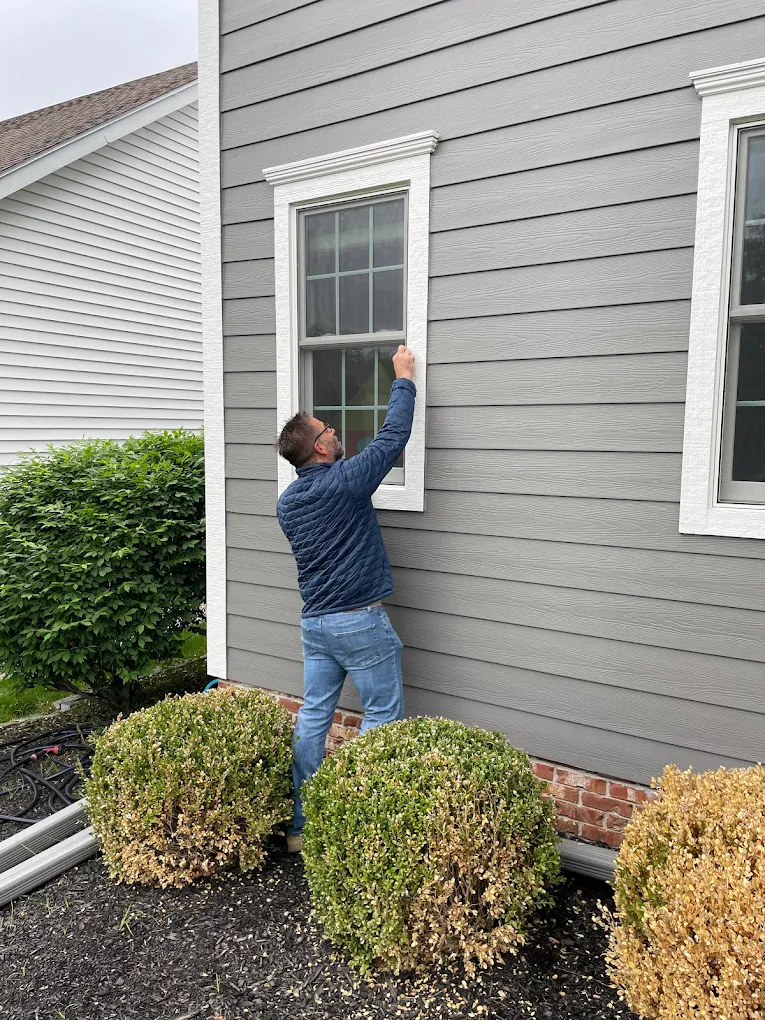
    On a windy day, slowly move your hand around the window perimeter. Check the bottom corners, the lock side, the top corners, and where the sash meets the frame. If you have a tissue or a thin strip of paper, hold it near the suspected gap and watch for movement. Pay attention to the meeting rail on a double-hung window (where the top and bottom sashes meet). 

    Flashlight check for visible gaps

    At night, turn off interior lights and shine a flashlight along the edges. If you can see light shining through a gap, you'll be able to identify large sources of the draft caused by misalignment, uneven contact, or sealing issues. 

    Smoke pencil or incense (with safety in mind)

    A smoke pencil is a simple tool used to see air movement. Some homeowners use an incense stick. If you do, keep it away from curtains, use good ventilation, and do not do it near smoke detectors. The goal is to see if smoke pulls toward the window or moves along the trim.

    nebraska siding home improvement contractor
    nebraska home exterior services
    window installation exterior remodel nebraska

    How Window Drafts Start

    Windows get drafty for a few predictable reasons. In Nebraska, wind pressure and big temperature swings make those weak spots show up faster.

    Worn weatherstripping and compressed seals

    If the window closes but you still feel air at the lock side, weatherstripping is one of the first things we check. Weatherstripping is designed to compress when the window closes. Over time, it flattens out, cracks, or pulls loose. On double-hung windows, it often fails along the meeting rails and the sides of the sash. On sliders, the pile weatherstripping can get matted down. On casements, the compression seals can tear or stop sealing when the hardware loosens.

    Shrinkage, gaps, and settling around the frame

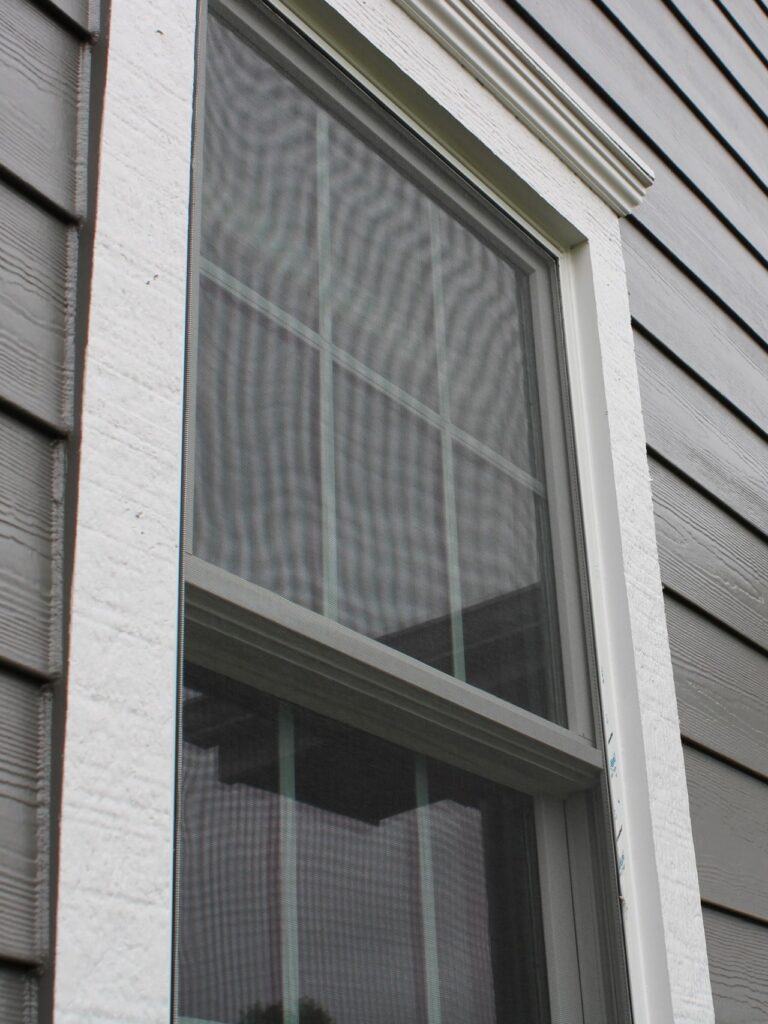
    Caulk does not last forever. Trim joints open. Paint cracks. Homes settle. Even a small gap between the window frame and trim can pull in outside air when the wind hits the wall. You might see this as a thin crack where the interior casing meets the drywall or where the stool meets the side trim. Outside, you may see separation where the window frame meets siding or brick.

    Misaligned sashes and hardware

    A window can look closed while still leaking. If the sash is slightly out of square, the seals will not compress evenly. If the lock is worn, it may not pull the sash tight. If balances are weak, the sash may not sit correctly in the frame. This is common on older double-hung windows. It is also common on vinyl windows where the hardware has loosened over years of use.

    Old glazing, failed seals, or loose panes

    Single-pane wood windows often leak around the glazing putty when it dries and cracks. Double-pane windows can develop seal failure, which shows up as fogging or moisture between panes. A failed insulated glass unit does not always create a strong draft by itself, but it often comes with other issues that do. Loose panes, damaged stops, and gaps at the glass-to-frame connection can also allow air movement.

    The “draft” that is coming from somewhere else

    Some drafts feel like a window issue but come from nearby leaks. Common culprits include attic bypasses, rim joists, exterior wall outlets, fireplace dampers, and gaps around plumbing penetrations.

    Poor window installation

    This is a big one. The rough opening is the framed opening in the wall. Between the window frame and the framing, there should be insulation and air sealing. If that gap was left empty or poorly sealed, you can feel drafts around the trim even if the window itself is decent. We find this often in homes where the windows were replaced quickly or where the installer did not air-seal the opening properly.

    Installation Details That Make or Break Draft Prevention

    You can buy a high-quality window and still end up with drafts if the window installation is sloppy. The perimeter seal between the window frame and the house is a common failure point. That is why we treat installation as a system, not a single step.

    • ● If water gets into the opening, materials degrade, caulk fails early, and air leaks reappear. Proper flashing, integration with the weather-resistive barrier, and correct exterior detailing keep the opening stable.
    • ● Air sealing is next. Low-expansion foam, backer rod where needed, and careful sealing at both interior and exterior joints are part of a durable install. The goal is controlled airflow. 
    • ● Squaring and setting the unit correctly matters too. A frame that is not square leads to uneven gaps, hard operation, and weak seals. We check reveals, operation, lock engagement, and compression along the weatherstripping before we treat the job as done.

    James hardie siding around stava windows

    When You Should Stop Patching and Plan a Window Replacement

    Some windows reach a point where repairs stop making sense. We see this when the frame or sill has rot, when hardware is discontinued, and major components are failing, or when the glass seal has failed and the energy performance drop is obvious.

    A window that will not open, close, or lock reliably is also a candidate for replacement. Locking matters for security and for sealing and home safety. Fogging between panes is another strong indicator. Once that seal is gone, the insulating performance is reduced, and the window often becomes colder to the touch.

    If you have done weatherstripping, caulk repairs, and rough opening sealing, and you still feel drafts or temperature swings, replacement may be the most direct route to a stable result. Or, if several windows throughout the house have the same draft issues, you may benefit from a complete window replacement that will improve the energy performance and comfort throughout your entire house. 

    Tevelde and Co. siding, windows, roofing, and exteriors

    Why Work with a Certified Window Contractor Like Tevelde and Co.

    A certified window contractor has the training and process to diagnose the source of your drafty window issues and then fix them with the right materials and steps.

    At Tevelde and Co., we treat windows as a system, not a single product. That matters because many “drafty window” complaints are actually air leaks behind the trim, gaps in the opening, or frames that are slightly out of square. When those details are handled correctly, the window locks tighter, operates smoother, and keeps temperatures steadier in the room. You also reduce the chance of hidden moisture problems that can lead to rot around sills and framing.

    Certification also ties directly to warranty protection and manufacturer requirements. Many leading window brands, such as Pella and Enerlux, have installation standards that must be followed for warranties to apply the way homeowners expect. When you hire a contractor who understands those requirements, you get cleaner documentation, clearer scopes of work, and installation practices that match the manufacturer's warranty requirements. 

    Schedule a Free Window Evaluation

    We’ll inspect the windows, identify the draft paths, and give you clear options with a scope you can trust. We handle window draft diagnosis, targeted repairs, perimeter air sealing, storm window solutions, and full window replacement.

    (402) 699-2670
    Go To Top