Tevelde & Co. installs replacement windows for homeowners throughout Omaha and surrounding communities in eastern Nebraska. We help homeowners compare window materials, glass packages, colors, grille patterns, hardware, and installation methods based on the condition of the house and the goals for the project.
If your double-hung windows are becoming difficult to use or are reaching the point where repeated repairs no longer make sense, we can inspect them and explain your replacement options.
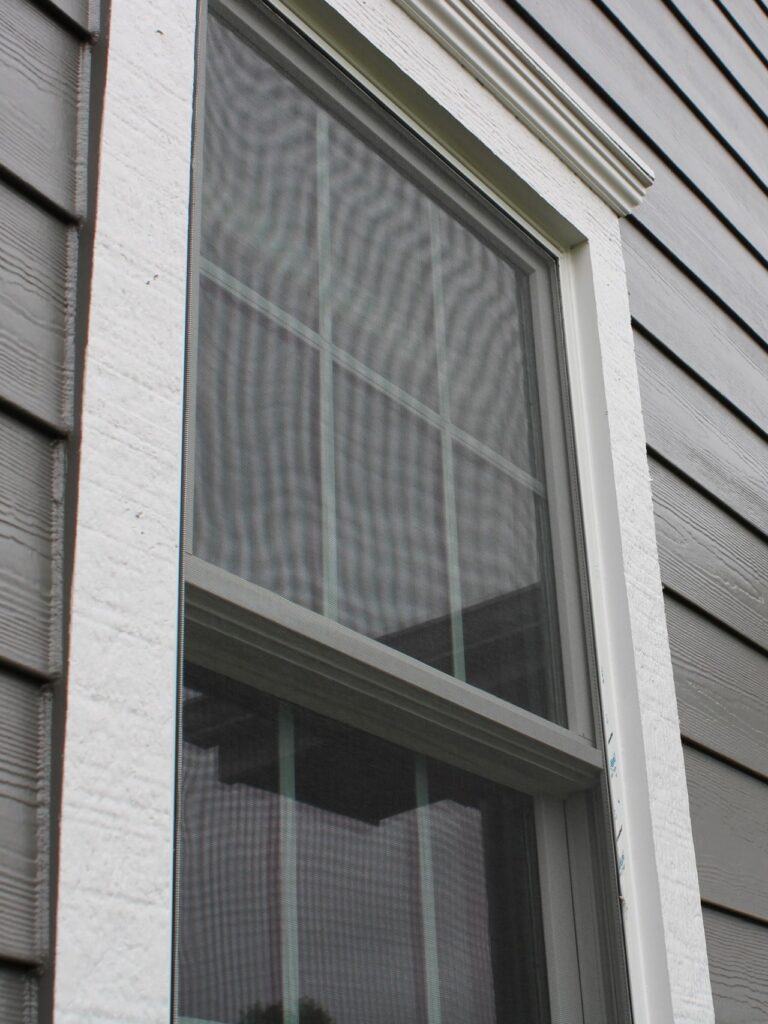
Double-hung windows are a common choice for Nebraska homes because they fit a wide range of house styles and give homeowners control over ventilation. Both the upper and lower sash move vertically, and many newer models include tilt-in sashes that make exterior glass easier to clean from inside the house.
That design gives you more control over how much of the window is open. You can open the lower sash, upper sash, or both depending on the room and the weather.
Double-hung windows are found throughout older and newer homes because their proportions work with many architectural styles. They are commonly installed in bedrooms, living rooms, dining rooms, offices, hallways, and second-story spaces.
Newer double-hung replacement windows also include features that were uncommon on older units. Depending on the product line, these include tilt-in sashes, insulated glass, Low-E coatings, improved weatherstripping, upgraded locks, and more stable frame materials.
Double-hung and single-hung windows look similar from the exterior. The difference is how the sashes operate. On a single-hung window, the lower sash moves while the upper sash stays fixed. On a double-hung window, both sashes move.
A single worn part does not always mean you need a new window. Replacement makes more sense when several parts of the window are failing, the frame is damaged, or repair costs keep adding up. Here are some of the problems we look for when evaluating older double-hung windows.
A double-hung window should move through the frame without excessive force. If the sash sticks, binds, or needs to be pushed into place, the problem could involve worn balances, frame movement, damaged tracks, paint buildup, or deterioration in the window itself. The condition of the entire unit determines whether repair or replacement is the better approach.
Double-hung windows use balance systems to support the weight of the sash. When those components wear out, the sash starts dropping after you raise it. In other cases, the window becomes unusually heavy or difficult to move. Balance components are replaceable on some windows. If the glass, frame, seals, weatherstripping, and other parts are also worn, replacing the complete unit often makes more sense than continuing to repair it one piece at a time.
Drafts around a closed window deserve a closer look. Air could be moving through worn sash weatherstripping, gaps in the frame, damaged seals, or poorly insulated areas around the rough opening. Older windows also tend to have less effective glass and frame construction than newer products. Before recommending replacement, we look at where the air is entering. A leaking gap around the opening is a different problem from a worn sash or failed window frame.
Moisture trapped between two panes of glass usually means the seal around the insulated glass unit has failed. Once that seal fails, the insulating glass no longer performs as designed. The clouding often becomes more noticeable over time. Moisture on the room-side surface of the glass is different. That usually relates to indoor humidity and the temperature of the glass rather than a failed seal between the panes.
Rot, cracks, soft wood, warping, and water staining around the window need to be investigated before a new unit is installed. Visible damage around the frame sometimes points to a larger moisture problem involving exterior trim, flashing, siding, or the rough opening. Covering those conditions with a replacement window does not correct the source of the problem. The damaged area needs to be exposed and addressed as part of the project.
Locks should pull the upper and lower sashes together and hold the window securely closed. If the lock no longer lines up, the sash or frame could have shifted. Worn hardware is another possibility. Replacing the lock solves the problem when the rest of the window is in good condition. If the frame is distorted or the sashes no longer sit correctly in the opening, the issue goes beyond the hardware.

Double-hung windows have remained common because the basic design works well in many rooms. Newer products combine that familiar appearance with better glass, seals, hardware, and frame construction than many older windows.
Both sashes operate independently. You can open the lower portion of the window, lower the upper sash, or open both. That flexibility is useful during Nebraska's spring and fall weather, when you might want fresh air without opening the entire window as far as possible. The upper sash also provides another opening location in rooms where furniture or other objects make the lower part of the window less convenient to reach.
Many newer double-hung windows have tilt-in sashes. The sash releases from the frame and tilts toward the room so you can reach the exterior surface of the glass from indoors. This feature makes the biggest difference on second-story windows. Cleaning an upstairs window from inside the house is far simpler than reaching the exterior glass from a ladder.
Note: Tilt mechanisms differ by manufacturer and product line, so review how the system works before choosing a window.
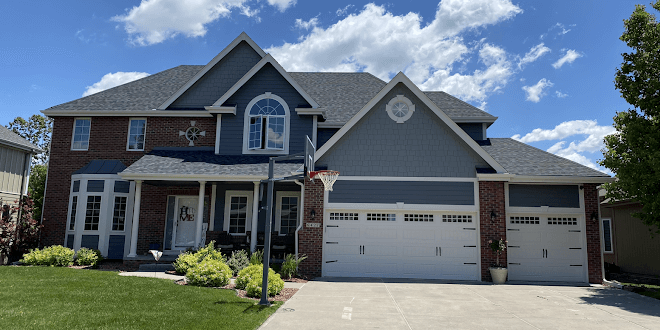
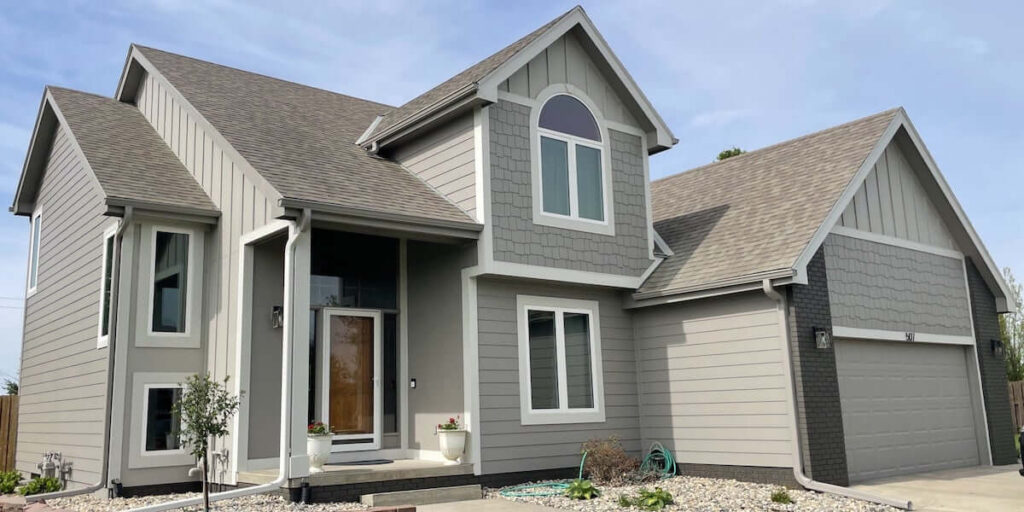
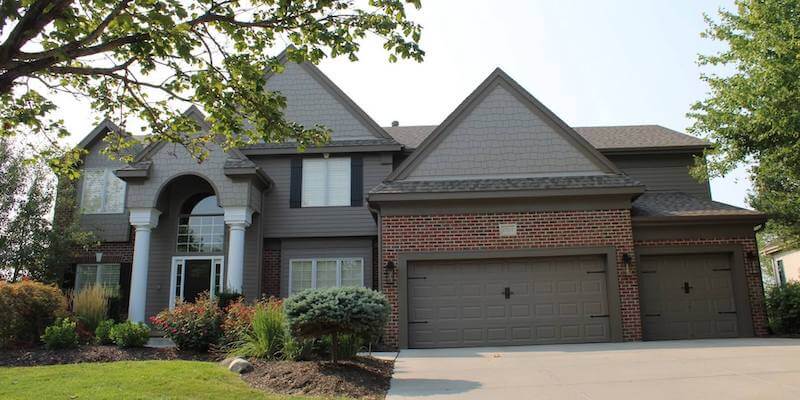
Double-hung windows have simple vertical proportions that fit traditional homes, newer subdivisions, ranch homes, two-story houses, and many other residential designs found throughout the Omaha area. The frame material, exterior color, grille pattern, and trim have as much influence on appearance as the operating style itself. A white double-hung window with colonial grilles has a very different look from a dark-framed unit with clear glass and no grilles. Those choices should be considered alongside siding, exterior trim, doors, and the architecture of the house.
Modern vinyl and fiberglass windows require less exterior maintenance than older painted wood windows. You do not have to scrape peeling paint or repaint the frame on a regular schedule. That matters on second-story windows and other areas that are difficult to reach. Wood and clad-wood windows remain available for homeowners who prefer the appearance of wood inside the home. The right frame material depends on the house, budget, maintenance expectations, and the look you want. The right frame material depends on the house, budget, maintenance expectations, and the look you want. Our replacement window buying guide walks through how each material compares.
Replacing an older double-hung window gives you access to current insulating glass packages, Low-E coatings, improved spacers, and better weatherstripping. These features reduce heat transfer and unwanted air movement through the window assembly. The window still needs to be installed correctly. Gaps around the frame, poor insulation, failed flashing, or incomplete exterior sealing reduce the performance of even a well-built replacement window.
Replacing a window involves more than ordering a unit with the same width and height as the old one. We start with the existing window and work outward from there.
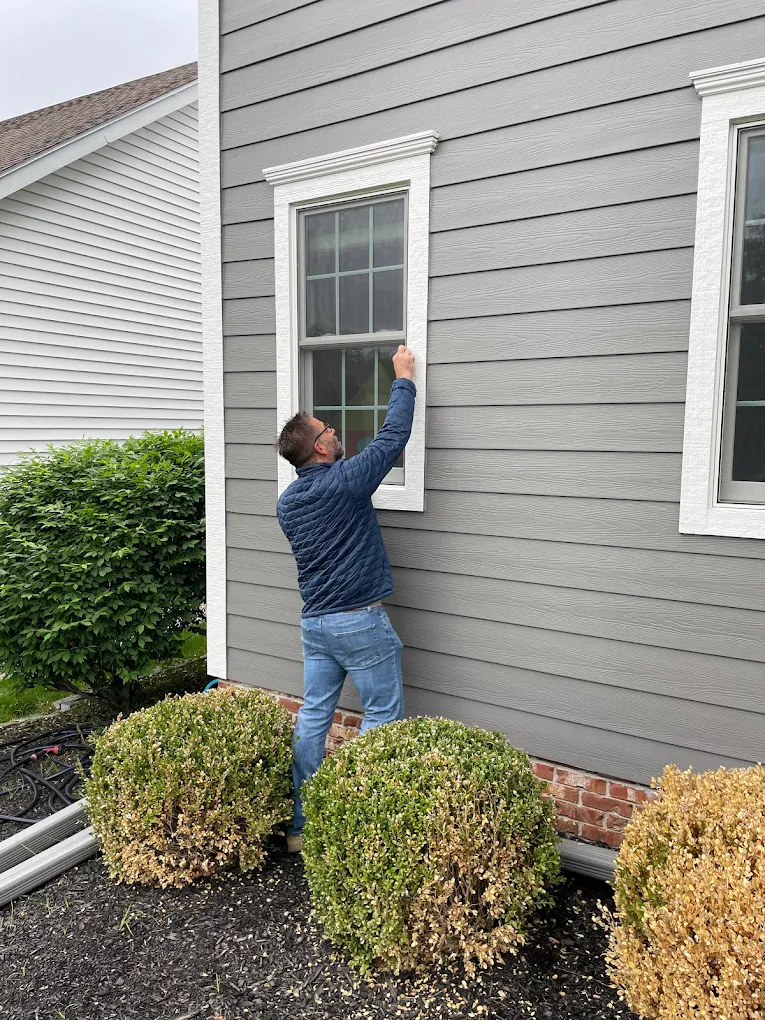
We check how each window opens, closes, and locks. We also inspect the frame, sash, glass, exterior trim, and surrounding materials for signs of deterioration or water intrusion. This helps determine whether replacement is appropriate and whether an insert or full-frame installation makes more sense.
Replacement windows need accurate measurements. Homes are rarely perfectly uniform, even when several windows appear identical. Each opening needs to be measured and checked before products are ordered. We also review the existing window type and the way it connects to the wall.
Once we understand the openings, we help you compare available frame materials, glass packages, colors, grilles, screens, and hardware. We also review performance ratings so you understand what you are paying for. The goal is to choose a window that fits the house, your budget, and how long you plan to stay in the home. Helping homeowners make those comparisons is part of how Tevelde & Co. approaches exterior projects.
The removal process depends on whether the project uses an insert or full-frame installation. We protect the surrounding work area and remove the existing components without creating unnecessary damage to adjacent finishes. Once areas are exposed, we inspect them before covering the opening with a new unit.
The new window needs to sit square and level in the opening. We fasten it according to the installation requirements, insulate around the frame, and complete the exterior flashing and sealing work required for the opening. The exterior details depend on the wall and siding system around the window.
After window installation, we open and close both sashes, check the locks, and confirm that tilt mechanisms work correctly where included. We also review interior and exterior finish work and clean the work area.
Tevelde & Co. is a family-owned and operated exterior remodeling contractor serving Omaha and surrounding communities in eastern Nebraska. Our work includes both window replacement and other exterior home renovation services.
We look at the window as part of the wall rather than an isolated product. That includes the frame, flashing, insulation, trim, siding transitions, and any visible signs of water damage around the opening. This broader exterior experience is useful when an older window problem involves more than the sash or glass.
Tevelde & Co. works with established manufacturers, including EnerLux windows and Pella windows. We compare products based on the needs of the house rather than trying to fit every homeowner into one material or window line. Frame construction, glass performance, appearance, maintenance, warranty coverage, and cost all belong in that discussion.
If your double-hung windows are drafty, difficult to operate, damaged, or no longer meeting your needs, Tevelde & Co. can inspect the existing openings and explain the available replacement options. Contact us to schedule an in-home consultation and get an estimate for your double-hung window replacement project.
(402) 699-2670