Type of Siding Material
The biggest variable in your siding quote? Material choice. Here's how the most popular options compare:
- ● Vinyl Siding: The most affordable and widely used option. It’s lightweight, easy to install, and available in dozens of colors and textures.
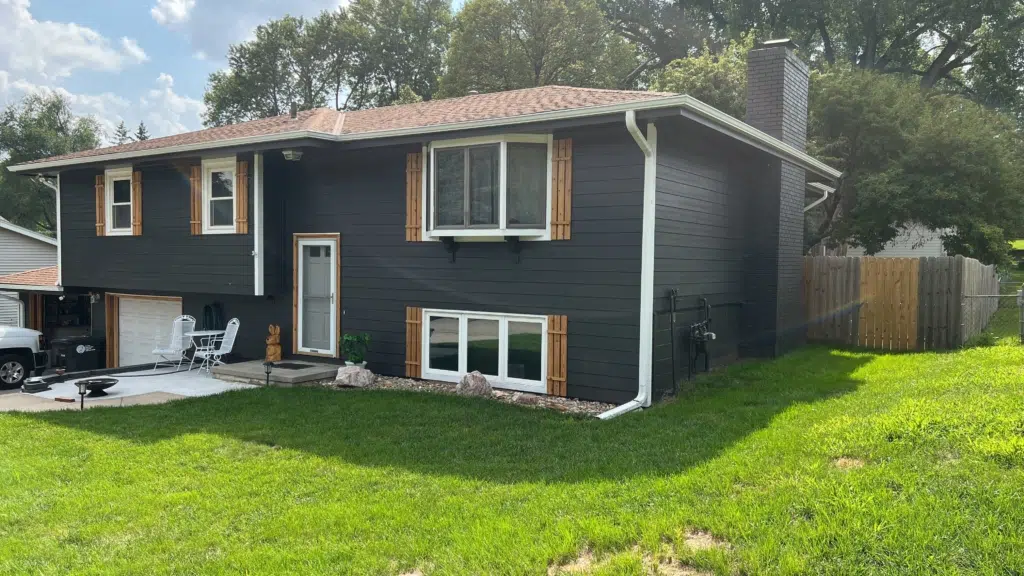
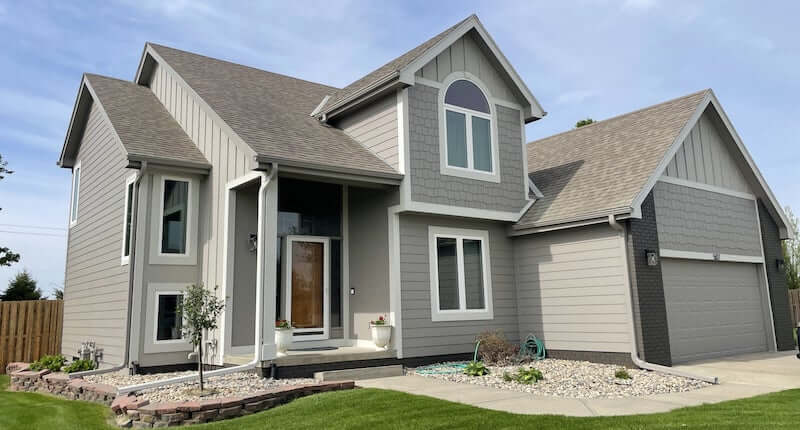
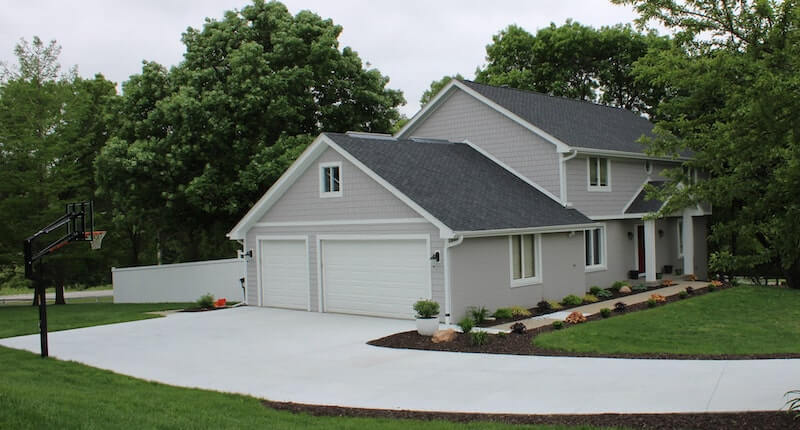
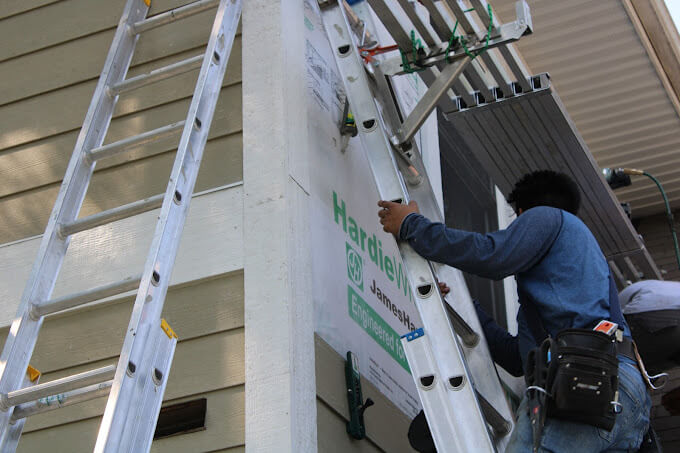
- ● Fiber Cement (James Hardie): Offers unmatched durability, with resistance to fire, pests, and weather. A little more upfront, but worth it if you want a long-term solution.
- ● Engineered Wood (LP SmartSide): Real wood look, advanced durability. Costs more than vinyl but less than fiber cement.
- ● Polymer Siding: Premium material that mimics real cedar shakes and other high-end looks with minimal maintenance.
- ● Natural Wood or Cedar: Beautiful and classic, but more expensive and higher maintenance.
- ● Brick or Stone Veneer: Eye-catching and durable, but can double the material and labor cost.
We’ll help you weigh aesthetics, maintenance, warranty, and energy efficiency so you choose the material that fits both your budget and your long-term plans.
Size and Shape of the Home
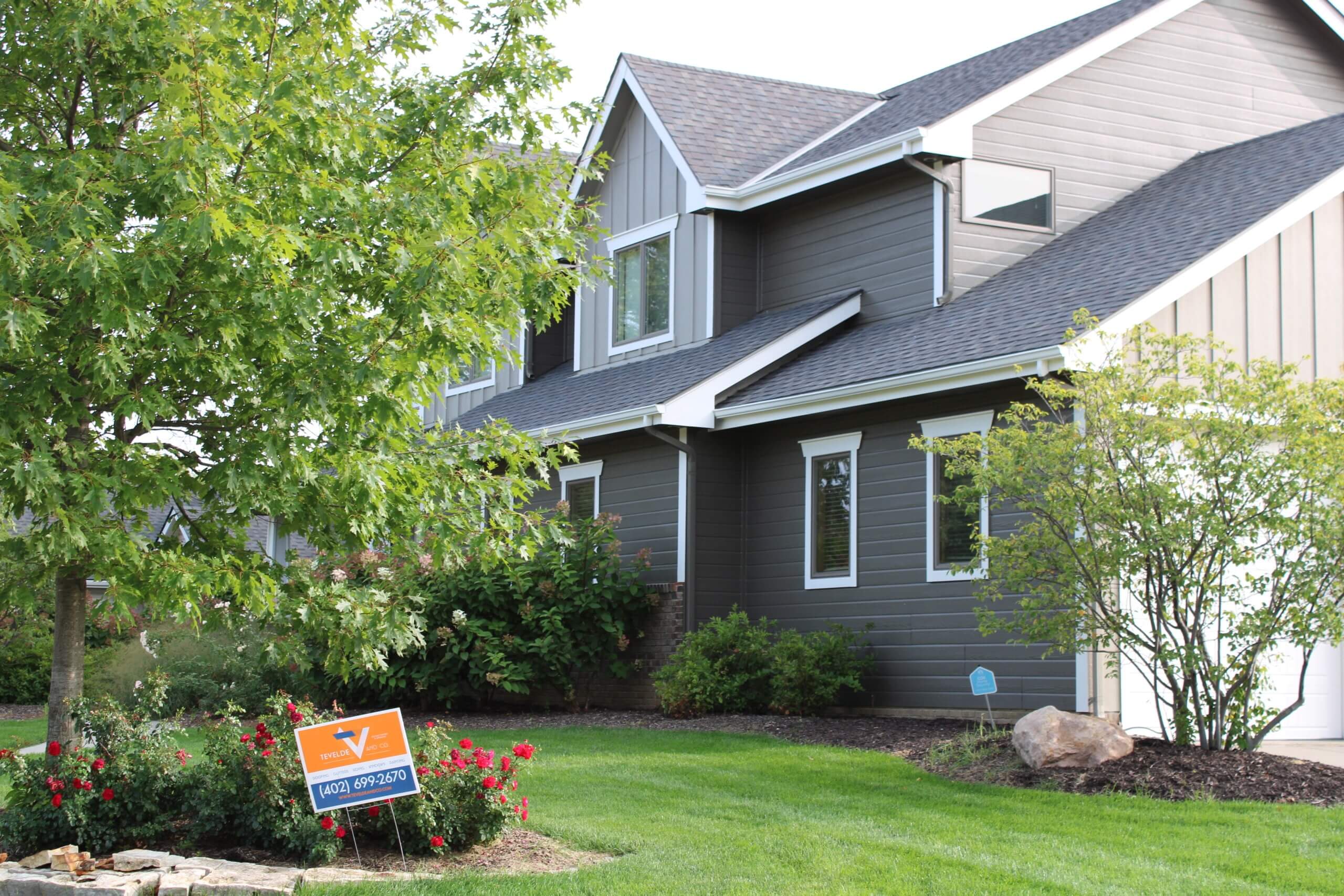
It’s not just about square footage. Taller homes, irregular shapes, or features like gables, dormers, and detailed trim work can drive labor hours higher. A one-story ranch will usually cost less than a two-story Victorian with multiple angles and accent sections.
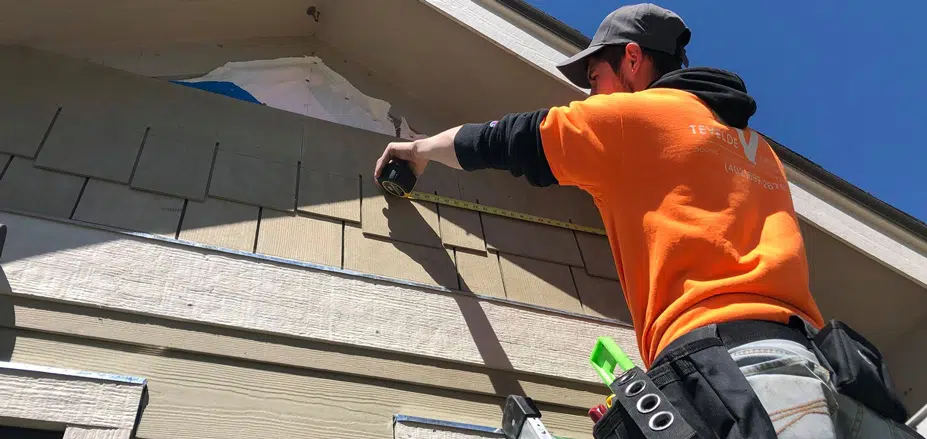
During our site visit, we measure every wall, note the architecture, and document all details that affect the installation. That way, you get an accurate siding estimate.
Labor and Installation
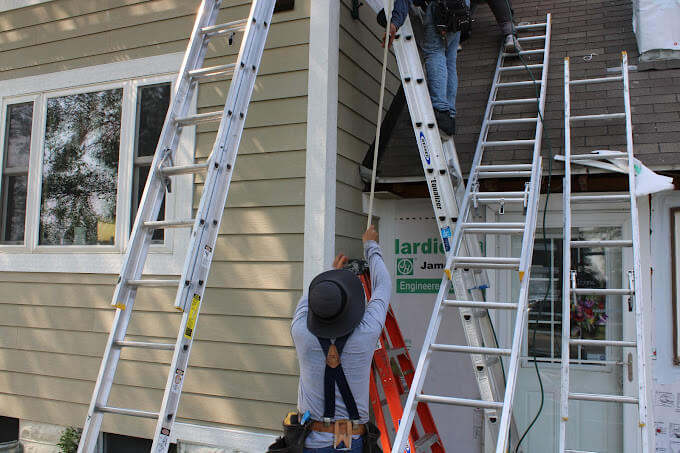
Labor can account for 30 to 50% of your siding project. At Tevelde and Co., we work with certified crews who specialize in siding. They’re trained to install specific brands with no shortcuts or misaligned panels.
That means your siding performs better and lasts longer. We also coordinate every part of the job (from ordering materials to daily site cleanup) to minimize delays and reduce risk.
Removal of Old Siding
Before we install new siding, we often remove the old layer. That process can include:
- ● Tearing off old vinyl, wood, or aluminum
- ● Inspecting sheathing and framing underneath
- ● Hauling and disposing of old materials
Depending on the material and condition, tear-off costs usually add $1,000 to $3,000 to the total project. Some homeowners ask if they can install new siding over old. It’s technically possible with vinyl, but we rarely recommend it. It hides problems, traps moisture, and doesn’t hold up as well in the long run.
Home Prep and Repairs
Once we expose the sheathing, we often uncover rot, mold, or water damage, especially around windows and eaves. We address those issues before the new siding goes on. Costs vary, but catching problems now saves you major repair bills down the road. We also offer insulation upgrades under your siding, which can help seal air leaks and lower your energy bills.