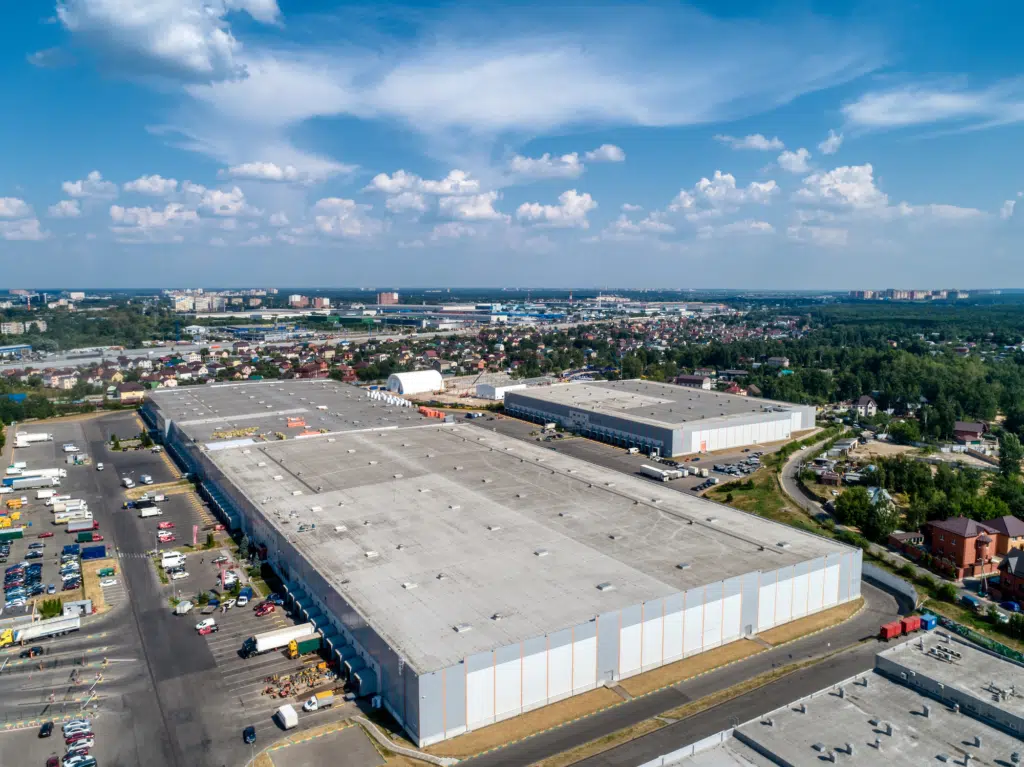
Commercial roofing doesn’t have a lot in common with standard residential work, but they do share one fundamental idea: installing and maintaining a roof on your property, whether commercial or residential, is an investment in the long-term health and value of your building. If you’re going to make this kind of long-term investment, it’s critical to ensure that you work with roofing contractors that are trained, certified, and have experience working with commercial roofing. Quality work performed by a company with an undeniable reputation will help you get the most value for your investment, both right away and far into the future.
How Much Does It Cost to Install or Replace a Flat Roof?
Ultimately, there are so many factors that go into determining the cost of installing, replacing, and maintaining commercial roofs that it’s best to contact a roofing professional for an estimate, along with suggested roofing solutions for your property. There are a few key elements that will have an impact on the total cost:
- - Roofing material
- - Construction style
- - Square footage
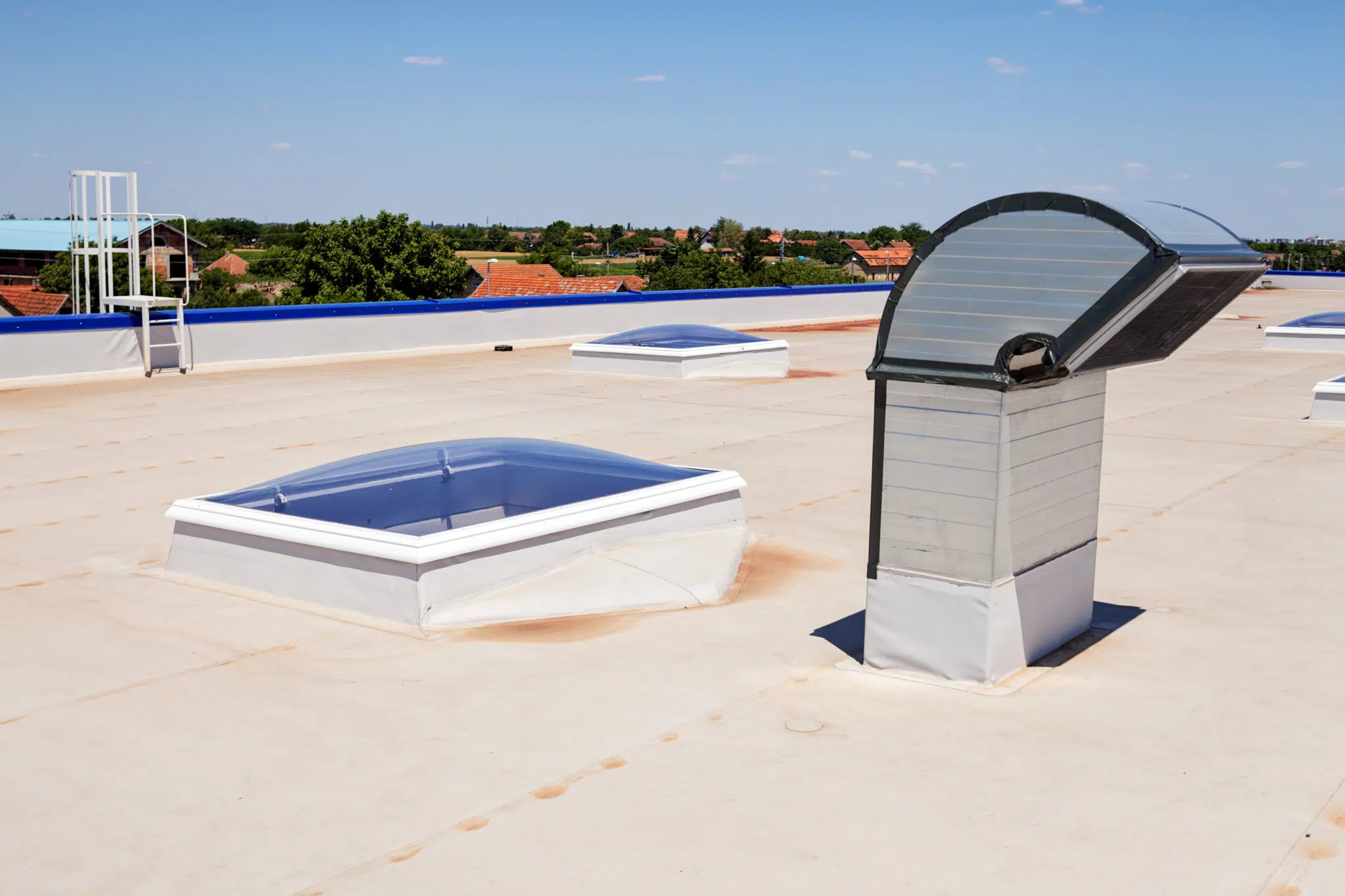
- - Accessory features like new or existing skylights, vents, pipes, HVAC equipment, etc.
- - Local/City/County permits
While it’s difficult to give a general cost for commercial roofing without these details, it’s safe to say that hiring a proven and experienced contractor is the surest way to get the full value for the investment you’re making in your property.
What Are The Common Types of Commercial Roofing Materials
Just as residential homes have a few popular roofing options that make up most of the market, so do commercial roofing systems. There are dozens of different materials and styles in the commercial roofing industry, but most commercial properties throughout the U.S. have come to rely on a handful of common types that offer a proven mixture of durability, reliability, and affordability. Ultimately, selecting the best option for your particular building will come down to your unique business, property needs, and budget.