
Nebraska weather puts your home’s windows through a lot. Summer afternoons can be hot and sunny, while winter temperatures can fall well below freezing. Spring and fall bring major temperature swings in a short period of time. Your windows face these conditions year after year. As temperatures rise and fall, window frames, glass, seals, caulk, and other components respond to those changes. Over time, this leads to drafts, sticking windows, failed seals, condensation, and other problems. Understanding how Nebraska’s temperature swings affect windows helps you spot problems early and determine when maintenance, repair, or window replacement services makes sense.
Why Nebraska’s Climate Can Be Hard on Windows
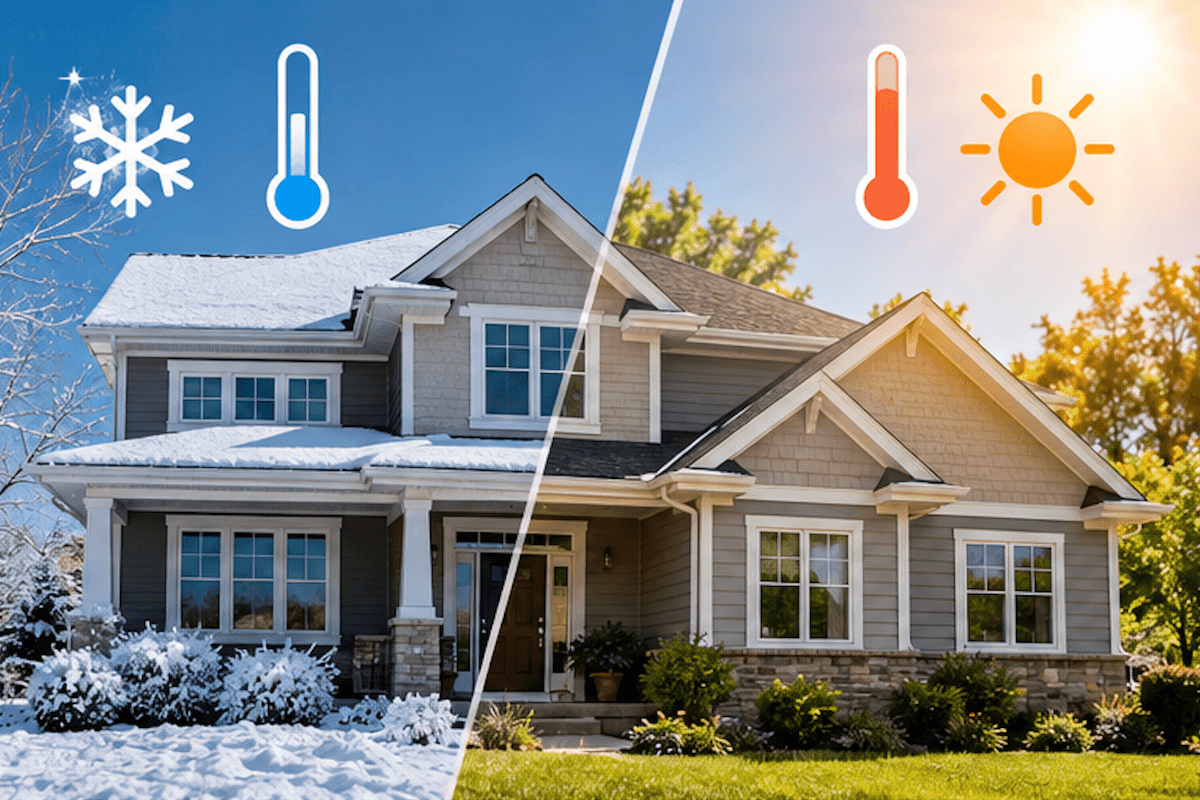
Nebraska homes experience significant seasonal changes. Windows have to perform during freezing winter conditions as well as hot summer weather. The difference between indoor and outdoor temperatures also affects how much heat moves through your windows. During winter, heated indoor air is separated from freezing outdoor conditions by the window assembly. During summer, the opposite occurs as outdoor heat and sunlight increase heat gain inside the home.
According to the U.S. Department of Energy, heat gain and heat loss through windows account for 25% to 30% of residential heating and cooling energy use. That makes window performance especially important in a climate with both heating and cooling seasons.
Seasonal Temperature Changes
The most obvious temperature changes happen from one season to another. During summer, window frames and other materials are exposed to heat and direct sunlight. During winter, those same materials may experience freezing temperatures. These conditions cause materials to expand when they become warmer and contract as they cool. Windows are designed to accommodate some movement, but repeated expansion and contraction eventually expose weaknesses in aging windows.
Rapid Day-to-Day Temperature Swings
Seasonal changes aren’t the only concern. Nebraska also experiences significant temperature changes over much shorter periods. Temperatures repeatedly rise above and then fall below freezing. Each cycle makes window materials respond. A warm afternoon is often still followed by a cold night. A stretch of mild winter weather shifts with a sudden cold front. Newer, properly installed windows should handle normal temperature changes, but older or deteriorating windows may start showing problems.
How Temperature Changes Cause Window Materials to Expand and Contract
Almost every material expands and contracts as its temperature changes. The amount of movement depends on the material. A window contains several materials that may respond differently to temperature changes, including:
- • Glass
- • Frame materials
- • Spacers
- • Sealants
- • Caulk
- • Weatherstripping
- • Hardware
The surrounding siding, trim, and wall materials are also affected by changing conditions. Window manufacturers account for thermal movement when designing their products. Problems arise when materials deteriorate, components aren’t properly installed, or repeated movement puts additional stress on an older window.
Vinyl Window Frames
Vinyl expands as temperatures rise and contracts as temperatures fall. Quality vinyl windows are designed with this movement in mind. Proper installation is important because the frame needs enough room to accommodate normal expansion and contraction without becoming distorted. Problems become more noticeable when a window was installed incorrectly or has experienced years of exposure to extreme conditions.
Wood Window Frames
Wood is affected by both temperature and moisture. Humidity changes cause wood to absorb or release moisture, causing it to swell and shrink. Over time, poorly maintained wood windows may also crack, peel, rot, or warp. Regular maintenance of exterior finishes protects wood windows from Nebraska’s changing weather conditions.
Fiberglass and Composite Window Frames
Fiberglass and composite window materials are generally designed for dimensional stability. They are good options for homeowners concerned about significant seasonal temperature changes. However, frame material is only one part of window performance. Glass packages, installation quality, weatherstripping, insulation, and overall window construction also matter.
How Temperature Swings Can Lead to Drafts and Air Leaks
Windows become noticeably draftier when temperatures drop. Sometimes this happens because cold outdoor temperatures make an existing air leak easier to notice. In other cases, aging materials around the window may have developed gaps. Common sources of window air leaks include:
- • Worn weatherstripping
- • Cracked exterior caulk
- • Gaps around the window frame
- • Deteriorated seals
- • Improper installation
- • Warped or damaged components
Drafts affect more than comfort. Air leakage forces your heating and cooling system to work harder to maintain the temperature inside your home. If you feel cold air around a closed window in winter, it’s worth figuring out exactly where it’s entering.
Can Temperature Changes Cause a Window Seal to Fail?
Modern double- and triple-pane windows use insulated glass units. Two or more panes of glass are separated by spacers and sealed around the perimeter. The sealed space between the panes improves the window’s insulating performance and may contain argon or another insulating gas. Changing temperatures affect the glass, spacers, seals, and pressure inside the insulated glass unit. These components are designed to accommodate normal changes, but window seals deteriorate over time. If you’re seeing fog or condensation trapped between panes, read our guide on Can a Failed Window Seal Be Repaired? to learn about your options.

Why Condensation Often Appears During Nebraska Temperature Changes
Window condensation is particularly common during cold weather, but not all condensation means the same thing. When warm, humid indoor air comes into contact with a sufficiently cold glass surface, moisture in the air condenses into water droplets. This is similar to the condensation that forms on the outside of a cold glass during summer.
Some interior condensation in very cold weather indicates that indoor humidity is high relative to the glass temperature. Persistent or heavy condensation, however, deserves attention because excess moisture eventually damages window frames, trim, drywall, and other surrounding materials. Condensation between two panes of insulated glass is different. You shouldn’t be able to wipe it away from the interior or exterior surface. This commonly indicates that the insulated glass seal has failed.
How Extreme Temperatures Affect Window Energy Efficiency
Windows are an important part of your home’s thermal envelope. Their performance affects how easily heat moves between the interior and exterior of the house. For Nebraska homeowners, windows need to perform during both cold winters and hot summers.
Winter Heat Loss
The greater the temperature difference between the inside and outside of your home, the greater the potential for heat transfer. During winter, energy-efficient windows help reduce heat loss. Important window features include:
- • Low U-factors
- • Double- or triple-pane glass
- • Low-E coatings
- • Insulating gas fills
- • Insulated frame construction
- • Low air-leakage rates
The U-factor measures how well a window prevents heat from escaping. Lower U-factors indicate better insulating performance.
Summer Heat Gain
Summer creates a different challenge. Sunlight entering through windows increase indoor temperatures and cooling demand. Solar heat gain is particularly important for windows that receive significant direct sunlight. The Solar Heat Gain Coefficient, or SHGC, indicates how much solar radiation passes through a window. Lower SHGC values generally mean less solar heat enters through the window. Low-E coatings and appropriate glass packages manage heat gain while still allowing natural light into the home.
Older Windows Are More Vulnerable to Nebraska Weather
Windows don’t suddenly stop working when they reach a particular age. Their components gradually wear down. Older windows may have:
- • Deteriorating weatherstripping
- • Cracked caulk
- • Failed insulated glass seals
- • Warped frames
- • Loose hardware
- • Single-pane glass
- • Poorer insulating performance
- • Air or water leaks
Years of Nebraska summers and winters make these problems increasingly noticeable. A draft that was barely noticeable several years ago may become uncomfortable during a cold winter day. A slightly deteriorated seal may eventually fail completely. That’s why it’s helpful to evaluate the condition and performance of the entire window rather than focusing exclusively on its age.
When Should You Consider Replacing Your Windows?
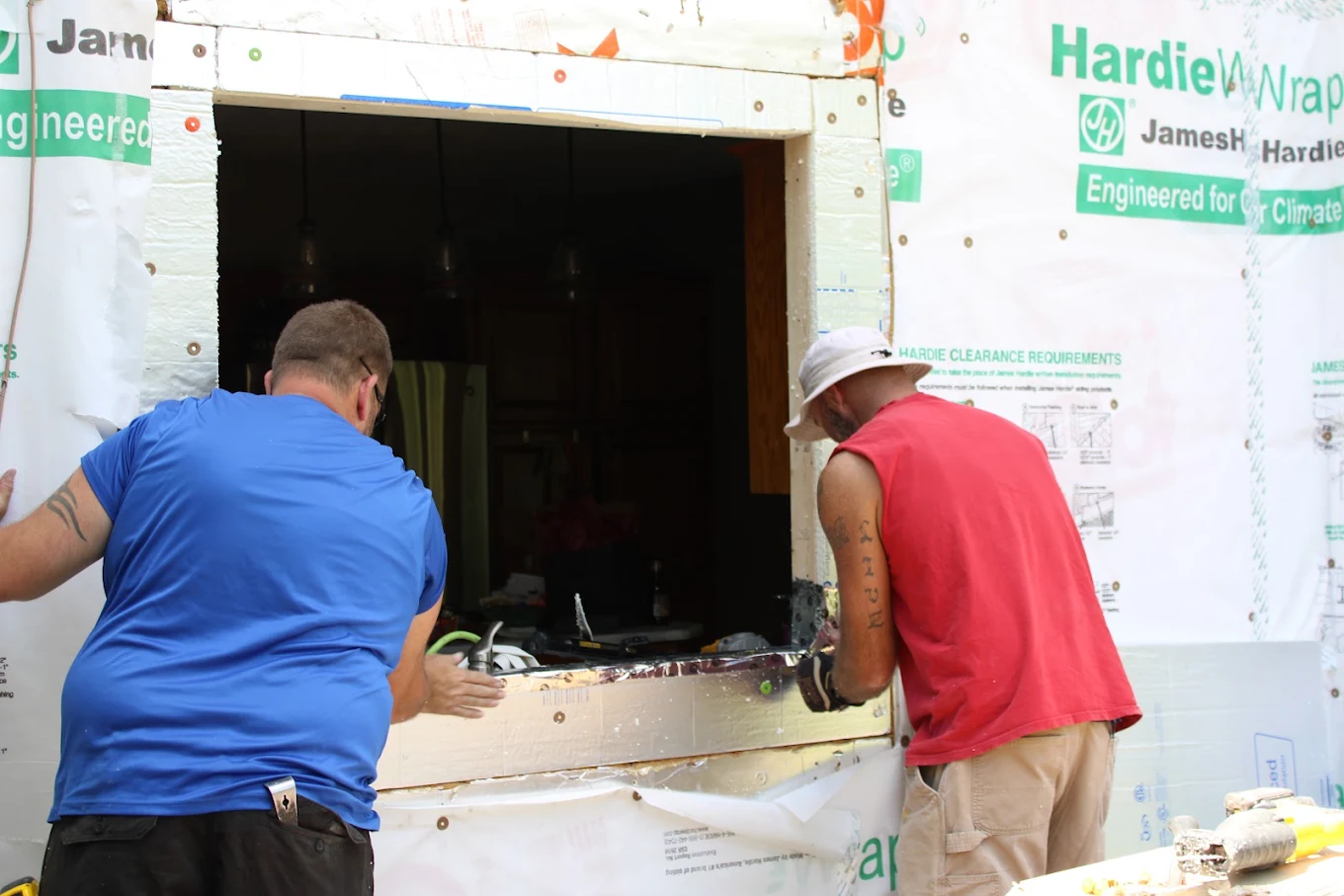
Not every draft or sticking sash requires a new window. Minor maintenance or repairs may be enough when the window itself remains in good condition. Replacement becomes more practical when problems are widespread, recurring, or related to the overall condition of the window. Signs that it may be time to consider replacement include:
- • Persistent drafts
- • Multiple failed window seals
- • Significant frame deterioration
- • Windows that won’t open, close, or lock properly
- • Water intrusion
- • Recurring condensation between panes
- • Noticeably poor thermal performance
- • Multiple aging windows with similar problems
Schedule a Window Replacement Consultation With Tevelde and Co.
Nebraska’s changing weather often reveals weaknesses in older windows. Drafts, sticking sashes, fogged glass, deteriorating frames, and rising heating and cooling demands are all signs that your windows aren’t performing as well as they once did. Tevelde and Co. installs replacement windows for homeowners throughout the Omaha area and surrounding Nebraska communities. We will inspect your existing windows, discuss the problems you’re experiencing, and help you compare replacement options suited to your home.
Contact Tevelde and Co. today to schedule a consultation for replacement windows in Nebraska.