Choosing the best replacement windows for a Nebraska home comes down to several factors. Frame material, glass, energy ratings, construction quality, and installation method all matter. Understanding these differences helps you choose windows that fit your home, budget, and long-term plans.
What Are the Best Window Materials for Nebraska Homes?
There isn’t one window material that’s right for every home. Cost, appearance, durability, efficiency, and maintenance requirements all need to be considered.
Fiberglass Windows
Fiberglass is one of the strongest options for homeowners who prioritize durability and dimensional stability. Fiberglass window frames experience relatively little expansion and contraction as temperatures change. They are also strong, low maintenance, and capable of supporting energy-efficient glass packages. The main consideration is price. Fiberglass windows typically cost more upfront than standard vinyl windows. For homeowners planning to remain in their house for many years, the durability makes that additional investment worth considering.
Composite Windows
Composite windows use engineered materials designed to provide strength, durability, and good thermal performance. Specific construction varies by manufacturer, so homeowners should compare the actual product rather than treating every composite window as identical. Quality composite products resist moisture, temperature changes, and everyday wear. They are a good fit for homeowners looking for long-term performance with relatively little maintenance.
Vinyl Windows
Vinyl remains a practical replacement window material for many Nebraska homeowners. It is affordable, requires little maintenance, and provides good thermal performance. Vinyl windows also don’t require painting or staining. Quality makes a significant difference, however. Basic builder-grade vinyl windows and premium replacement windows differ considerably in frame construction, reinforcement, weatherstripping, glass packages, and hardware. When comparing vinyl windows, look for features such as welded corners, multi-chambered frames, quality seals, and durable hardware.
Wood Windows
Wood has been used for windows for generations. It offers a traditional appearance and naturally good insulating characteristics. The tradeoff is maintenance. Exterior wood needs protection from moisture and weathering. Neglected wood windows eventually experience peeling finishes, deterioration, or rot. Wood can still be an appropriate choice for historic homes, high-end projects, or homeowners who want the look of natural wood.
Aluminum Windows
Aluminum is strong and allows manufacturers to create relatively narrow frames. However, aluminum readily conducts heat. Modern thermal breaks improve performance, but homeowners should compare energy ratings carefully before selecting aluminum windows for Nebraska’s temperature extremes. For most residential replacement projects, vinyl, fiberglass, composite, or wood will be more common.

What Makes a Replacement Window Good for Nebraska’s Climate?
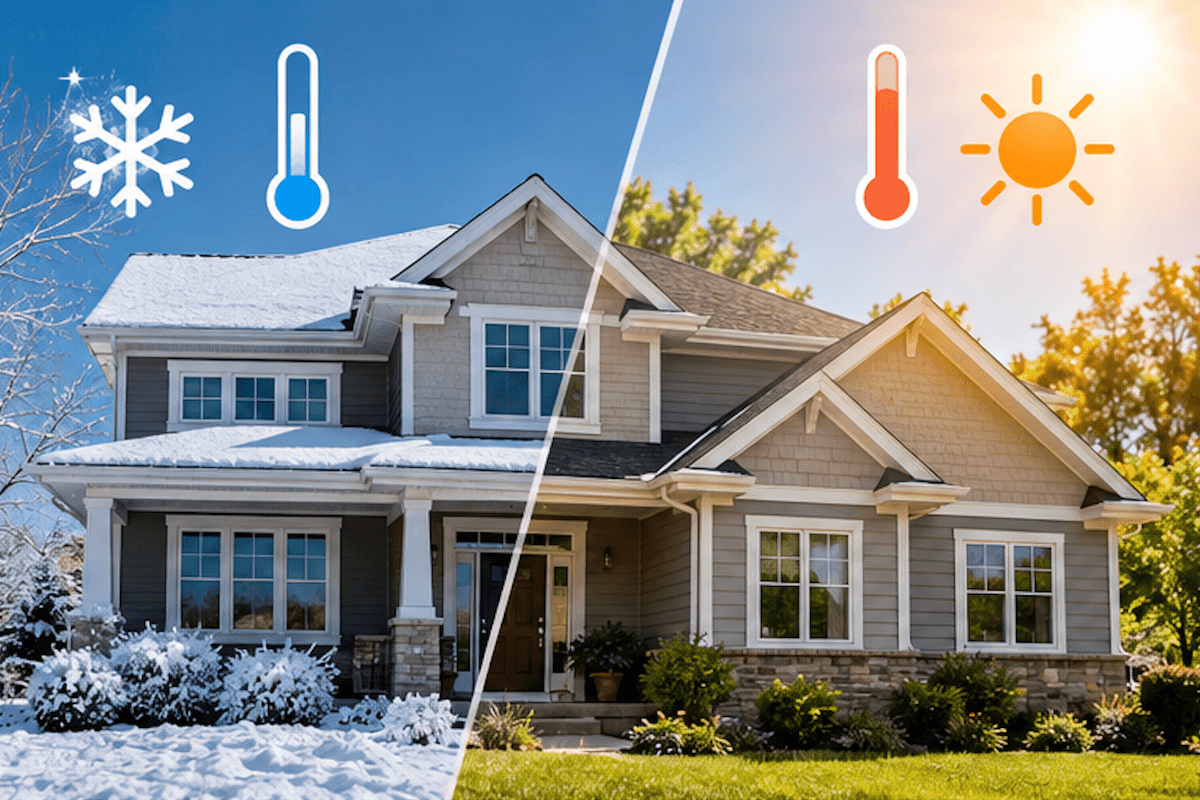
A window that performs well in a mild climate isn’t necessarily the best option for Nebraska. Homeowners need windows capable of performing through both summer heat and winter cold.
Insulation During Cold Nebraska Winters
Windows are one of the areas where heat moves through a home’s exterior envelope. High-performance replacement windows help reduce that heat transfer. One rating to pay attention to is the window’s U-factor. This measures how readily heat moves through the complete window assembly. Lower numbers indicate better insulating performance. The frame matters, too. Well-insulated vinyl, fiberglass, composite, and wood frames all provide good thermal performance when paired with the right glass package.
Performance During Hot Nebraska Summers
Keeping heat inside isn’t the only concern. During summer, windows also need to help limit unwanted solar heat entering the house. This is where Low-E glass and the window’s Solar Heat Gain Coefficient (SHGC) become important. The right glass package reduces solar heat gain while still allowing useful natural light into the home. Window orientation matters as well. A large west-facing window gets different sun exposure than a shaded north-facing window.
Durability Through Temperature Swings
Nebraska’s changing temperatures repeatedly heat and cool window components. Window frames, seals, glass, and other materials must be able to withstand these cycles. Dimensional stability is especially important. Excessive expansion and contraction add stress to seals and other components over time. This is one reason fiberglass and quality composite windows are attractive choices for Nebraska homeowners. Premium vinyl windows also perform well when they use strong frame construction and are installed correctly.
Resistance to Wind, Rain, and Nebraska Storms
A replacement window should also limit unwanted air and water infiltration. Look beyond basic energy-efficiency claims and consider the window’s weatherstripping, frame construction, sash design, and air-leakage ratings. Installation is equally important. Proper flashing, sealing, and water management around the opening help protect the wall assembly from wind-driven rain and moisture.
What Glass Package Is Best for Nebraska?
Glass accounts for most of a typical window’s surface area. Choosing the right glass package is therefore a major part of choosing a replacement window.
Double-Pane Windows
Double-pane windows use two panes of glass separated by an insulating space. That space may contain an insulating gas such as argon. A quality double-pane window with Low-E glass provide a strong combination of efficiency and affordability for many Nebraska homes.
Triple-Pane Windows
Triple-pane windows add another pane of glass and another insulating space. The additional layers improve thermal performance and may make the interior glass surface more comfortable during very cold weather. Triple-pane windows can help reduce sound, depending on their construction. They cost more, so compare the benefits with the added cost. Homeowners focused heavily on energy efficiency, comfort, or long-term performance may find them worth considering.
Low-E Glass
Low-emissivity, or Low-E, glass has a thin coating designed to control radiant heat transfer. During winter, the right Low-E configuration helps reduce heat loss. During summer, it controls unwanted solar heat entering through the glass. There are different Low-E coatings and glass configurations, so homeowners should compare the complete glass package instead of simply looking for the words “Low-E.”
Argon and Other Insulating Gases
The space between panes of insulated glass can be filled with gases such as argon. These gases conduct less heat than ordinary air and improve the glass unit’s insulating performance. Gas fill works alongside other features, including pane spacing, Low-E coatings, and frame construction.
Window Ratings Nebraska Homeowners Should Compare
Energy ratings make it easier to compare replacement windows objectively.
U-Factor
U-factor measures the rate of heat transfer through a window. Lower U-factor = better insulating performance. For Nebraska homeowners dealing with cold winters, this is one of the most useful numbers to compare.
Solar Heat Gain Coefficient
Solar Heat Gain Coefficient, or SHGC, measures how much solar radiation passes through a window. A lower SHGC reduces solar heat gain. However, the ideal rating depends on window orientation, shading, and the home’s design.
Air Leakage
Air leakage measures how much outside air passes through the window assembly. A window can have good glass and still feel drafty if the sash, frame, seals, or installation allow too much air infiltration. Look at air-leakage performance alongside U-factor and SHGC when comparing products.
ENERGY STAR and NFRC Ratings
The National Fenestration Rating Council (NFRC) label provides standardized performance information that allows homeowners to compare different windows. ENERGY STAR certification identifies windows that meet efficiency requirements for a particular climate zone. Rather than relying solely on manufacturer marketing, compare these standardized ratings when evaluating your options.
Replacement Window Brands Available Through TeVelde & Co.
The best window brand depends on the home, project requirements, budget, and desired features. TeVelde & Co. works with several manufacturers, allowing Nebraska homeowners to compare options instead of being limited to one type of window. Instead of choosing a replacement window based solely on the brand name, compare the specific product line, frame material, glass package, energy ratings, warranty, and installation requirements.
EnerLux Windows
 EnerLux manufactures fiberglass windows in Nebraska. Fiberglass construction makes these windows worth considering for homeowners focused on durability, dimensional stability, and long-term performance. Their local manufacturing presence also makes EnerLux particularly relevant for Nebraska replacement-window projects.
ProVia Windows
 ProVia offers vinyl replacement windows in multiple configurations. These products are a good option for homeowners who want the affordability and low maintenance of vinyl while still having choices for glass, style, finish, and other features.
Pella Windows
 Pella offers several window materials and product lines, including fiberglass options. The variety makes Pella useful for projects where homeowners want to balance architectural design, material preferences, and performance requirements.
Andersen Windows
 Andersen is another established manufacturer with multiple window styles and material configurations. Depending on the project, Andersen products can be considered alongside other options based on design, performance, maintenance, and budget.
What Replacement Windows Does TeVelde Recommend for Nebraska Homes?
There isn’t one replacement window that makes sense for every Nebraska house. TeVelde & Co. will evaluate these factors and help homeowners compare window options for their specific property. The right recommendation depends on the condition of the existing openings, the home’s architecture, window orientation, budget, and installation requirements.
- • For homeowners focused on value, a well-constructed vinyl window provides good efficiency and low maintenance without the higher price of some premium materials.
- • For homeowners focused on long-term durability, fiberglass and composite windows are worth considering because of their strength and dimensional stability.
- • For homeowners focused heavily on energy efficiency and comfort, the glass package becomes particularly important. High-performance Low-E glass, insulating gas fills, and double- or triple-pane configurations all improve thermal performance.
Get Help Choosing Replacement Windows for Your Nebraska Home
Replacing your windows is an opportunity to improve your home’s comfort, appearance, efficiency, and protection from the elements. To make the most of that investment, choose the right product and install it correctly. TeVelde & Co. helps Nebraska homeowners compare window materials, glass packages, styles, and manufacturers based on their home’s needs. We will also evaluate the condition of your existing windows and determine whether an insert or full-frame replacement is the better approach.
If your windows are drafty, damaged, difficult to operate, or simply reaching the end of their useful life, contact TeVelde & Co. to schedule a consultation and discuss replacement window options for your Nebraska home.