Composition and Strength
Fibrex and fiberglass start with different base materials. Fibrex is a wood-plastic composite, while fiberglass relies on woven glass fibers. Both are engineered for strength, but fiberglass often edges ahead in rigidity, especially on large window units. Fibrex’s composite makeup, however, allows for thinner frames and more glass area in certain styles.
Both materials resist warping, swelling, and shrinking, even after years of exposure to Nebraska’s climate. Homeowners who have installed these windows often tell us they appreciate how both keep their shape, even after hard freezes or hot, humid months.
Energy Efficiency and Performance
Energy efficiency is a priority for most Nebraska homeowners. Both Fibrex and fiberglass are strong performers here, thanks to their insulating properties.
Fibrex frames insulate better than standard vinyl and many aluminum windows. They provide a thermal barrier that limits heat transfer, which helps keep homes cooler in summer and warmer in winter.
Fiberglass also provides excellent insulation, and many fiberglass windows achieve very low U-factor ratings (a measure of heat transfer). Both options are available with dual- or triple-pane glass, Low-E coatings, and argon or krypton gas fills to maximize energy savings.
From our installation projects in Omaha, Lincoln, and across Nebraska, we’ve noticed that both window types help families save on heating and cooling costs. The exact difference in monthly energy bills depends on factors like window size, number of panes, and installation quality.
Maintenance and Longevity
Both Fibrex and fiberglass are low-maintenance compared to traditional wood. Here’s how they compare:
Fibrex never needs painting, won’t rot, and resists insect damage. The color is blended throughout the material during manufacturing, so scratches and dings are less noticeable.
Fiberglass is extremely resistant to fading, chipping, and weather damage. Some brands allow you to paint the frames if you want a color update in the future.
In terms of lifespan, both materials routinely last 30 years or more with minimal upkeep. We often hear from Nebraska homeowners that their Fibrex and fiberglass windows look and perform as good as new after a decade or more.
Appearance and Customization
Aesthetics matter, especially if you’re upgrading a historic Omaha home or want windows that match your home’s unique style.
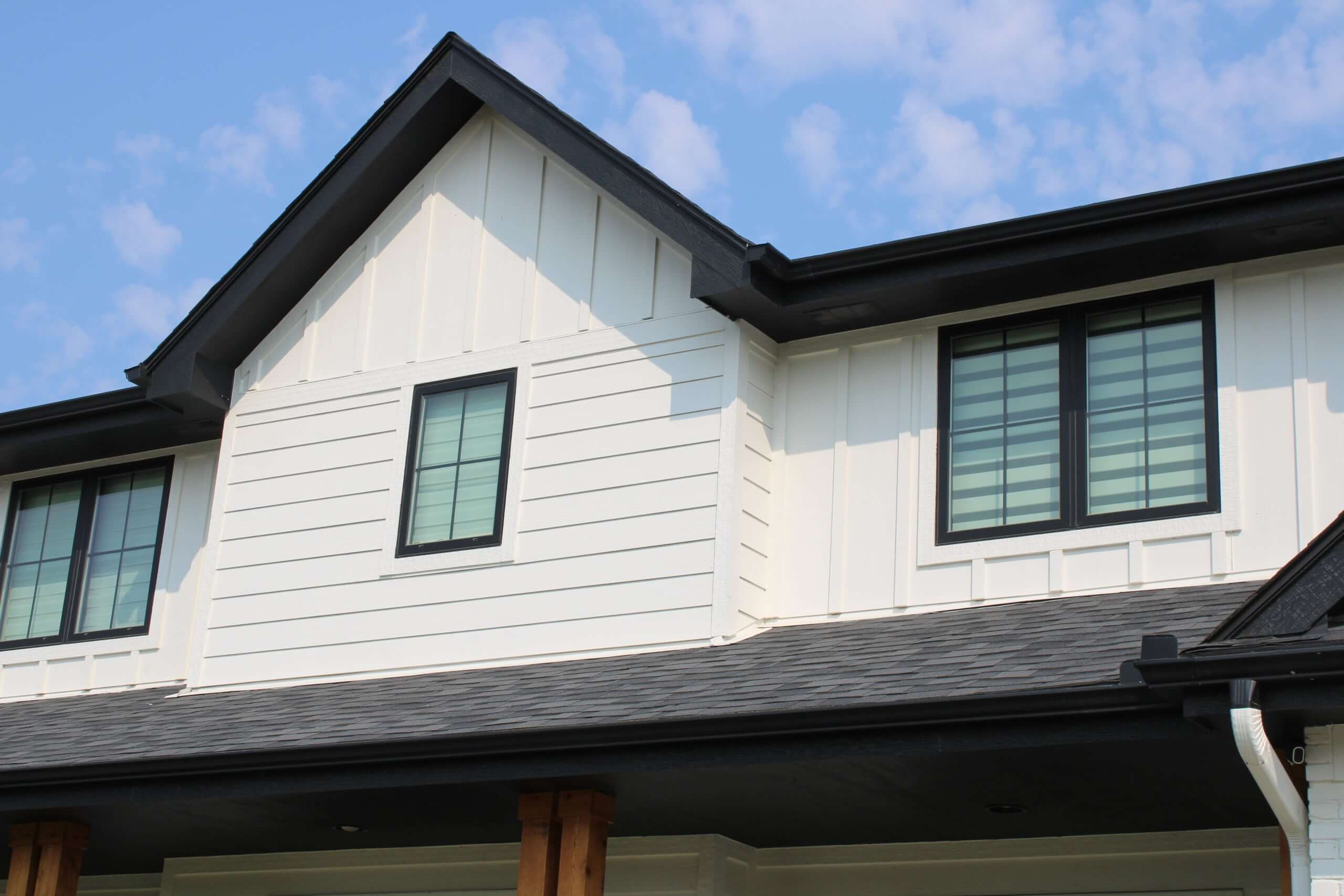
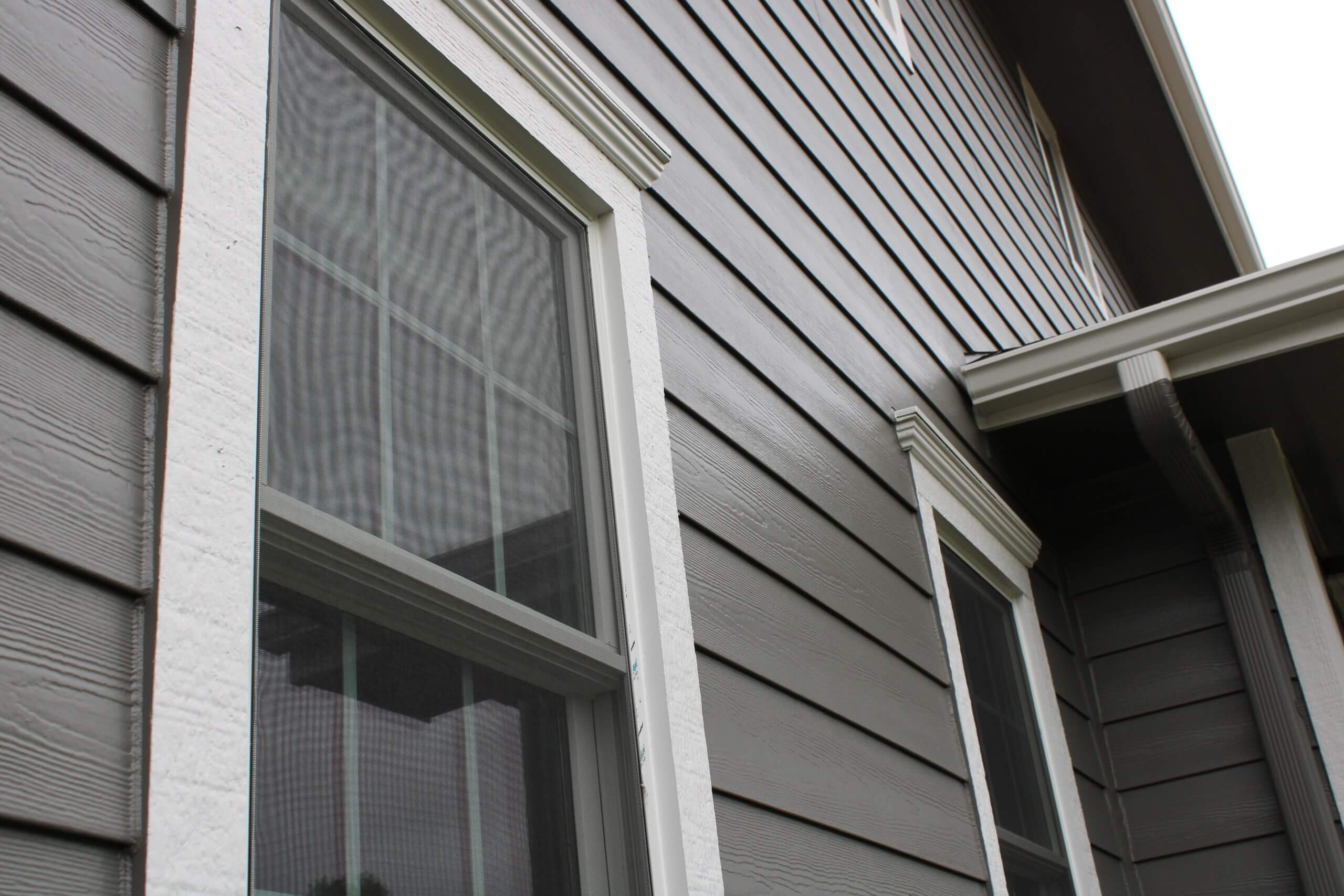
Fibrex frames tend to have a slightly wider profile, though this can allow for bolder colors and finishes. Andersen offers several color options, including darker hues that resist fading.
Fiberglass frames can be very slim, maximizing glass area. Most brands offer a broad palette of colors, woodgrain interior finishes, and custom shapes. If you want to match existing wood trim, fiberglass can be stained or painted to blend seamlessly.
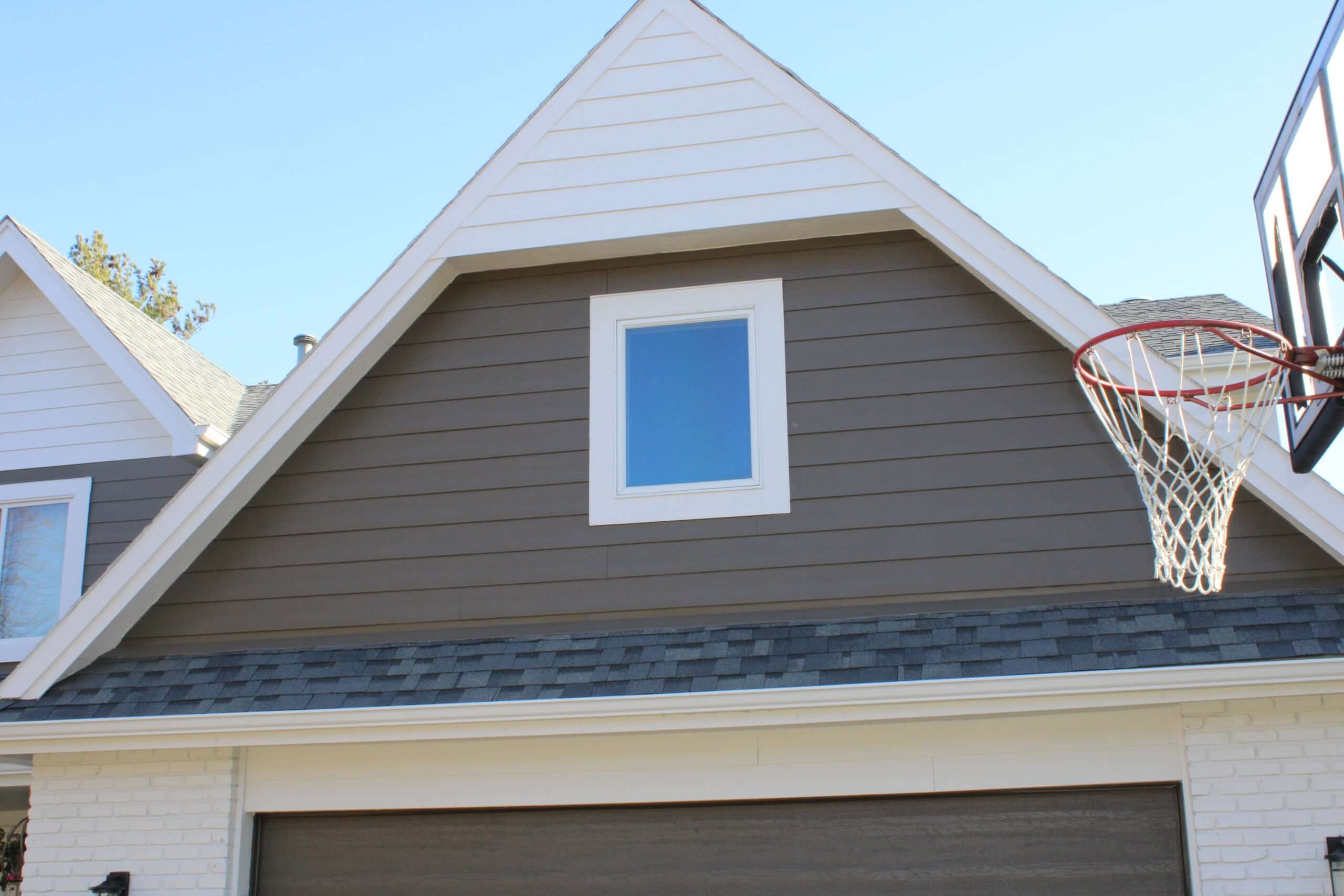
Both materials look crisp and modern when installed by a professional team. We’ve matched Fibrex and fiberglass windows to Craftsman bungalows, ranch homes, and contemporary builds all across Nebraska.
Environmental Impact
Sustainability is increasingly important for Nebraska families. Fibrex leads the way with its high recycled content and energy-efficient manufacturing process. Andersen’s use of reclaimed wood fibers keeps thousands of tons of waste out of landfills each year.
Fiberglass is also eco-friendly. It uses sand (a readily available natural resource) to create glass fibers, and the resulting frames are highly durable, reducing the need for replacement. Many brands offer low-VOC finishes and efficient manufacturing practices as well.