When you’re living in Nebraska, you notice the weather isn’t shy about showing off. The freezing wind chills in January don’t spare anyone, and the blazing hot afternoons in July are always ready to take the spotlight. That’s why insulated windows have become one of the most important upgrades for comfort and energy savings.
Homeowners call us because certain rooms stay cold no matter how high the thermostat climbs. Floors feel chilly near the windows. Condensation shows up on the glass during winter. Energy bills rise even when usage stays steady. These are common problems in Nebraska homes, especially houses built before modern insulation standards took hold.
Insulated windows are one of the most effective upgrades for improving comfort, controlling energy loss, and stabilizing indoor temperatures year-round. We help homeowners choose the right window system for their house, their layout, and the way they actually live inside it.
Insulated windows are modern windows designed with two or more panes of glass separated by a spacer. The space between the panes is often it’s filled with gases like argon or krypton, which are even better at slowing down heat transfer. The panes are sealed tight at the edges, keeping out moisture and helping the window resist condensation. Unlike old-school single-pane windows, insulated windows form a barrier that works in both directions: keeping your warm air inside during Nebraska winters, and blocking out the summer heat when it’s scorching outside. If you’ve ever felt a chill standing near a window in December or noticed your air conditioning running nonstop in July, you already understand the difference insulated windows can make.
The secret sauce of insulated windows is the space between the panes. When we install a double-pane or triple-pane window, each layer of glass slows down heat transfer. The gas fill (usually argon or krypton) has a lower thermal conductivity than regular air, so it’s harder for heat to move through the window.
A high-quality spacer separates the panes and holds them at just the right distance. This helps prevent thermal bridging and reduces condensation. The tight seal around the glass edges keeps everything stable and dry. For Omaha homeowners, these features matter. When the wind howls and temperatures drop, insulated windows keep your living room warm without the need to crank up the furnace. During those muggy summer nights, you’ll notice fewer drafts and less work for your air conditioner. Over time, the energy savings really add up.

Nebraska homes face wide seasonal shifts. January and July place very different demands on a window system. Insulated windows handle both.
Winter heat loss often starts at the windows. Single pane or failing insulated units allow warm air to escape and cold air to settle near the glass. That creates drafts, cold floors, and uneven temperatures from room to room. Insulated windows reduce that heat loss. Interior glass stays warmer. Cold air infiltration drops. Rooms feel usable again, even near large window openings.
During summer, sunlight drives heat into the home through the glass. Insulated windows slow that process. Low-emissivity coatings help reflect solar heat while still allowing natural light. Homeowners often tell us their air conditioning cycles less after replacing older windows. The house cools more evenly. Hot spots near south-facing windows fade away.

When we talk about window efficiency, there are two numbers to know: U-factor and Solar Heat Gain Coefficient (SHGC). The U-factor measures how well a window prevents heat from escaping; the lower the number, the better. SHGC shows how much solar heat the window lets in. A lower SHGC is best if you want to keep things cool during Nebraska summers. ENERGY STAR® certified windows are tested for both. Many of the insulated windows we install easily meet or exceed these ratings. After an upgrade, some customers report up to 25% savings on annual energy bills. Those numbers come from real feedback and local energy audits. And don’t forget, Nebraska utilities sometimes offer rebates for installing energy-efficient windows. We’ll help you check what’s available in your area.
Rising heating and cooling bills often point to windows that no longer seal or insulate properly. We frequently work with homeowners who have already upgraded their HVAC systems, only to discover that outdated windows were still allowing energy loss throughout the home. Modern insulated replacement windows help maintain consistent indoor temperatures and reduce monthly utility costs. Drafts near windows are another clear indicator. If certain rooms feel colder in winter or warmer in summer, worn seals or aging frames are usually to blame. We see this often in homes with older windows that can no longer block outdoor air effectively.
Fogging or moisture trapped between glass panes signals a failed seal. Once this happens, the window’s insulating performance drops significantly, and replacement is typically the most reliable solution. Difficulty opening, closing, or locking windows also points to structural wear that affects comfort, ventilation, and security. Homes with single-pane glass or aluminum frames are especially prone to these issues. While small repairs can help in limited cases, older windows usually benefit more from full replacement.
If these signs sound familiar, schedule a consultation with us. We will assess your windows and provide clear, honest recommendations tailored to your home.
Double pane windows use two layers of glass with a sealed space between them. This is the most common choice for Nebraska homes. They provide strong insulation, reliable performance, and solid value. For most homeowners who are replacing older windows, double pane insulated windows deliver immediate comfort improvements.
Triple pane windows add a third layer of glass and a second insulating space. This improves thermal resistance and sound control. Homeowners often choose triple pane windows for bedrooms, street-facing rooms, or homes where comfort is the top priority. The added insulation helps maintain even indoor temperatures during extreme cold.
Many insulated windows use argon or krypton gas between the panes. These gases slow heat transfer better than standard air. The performance depends on proper sealing. When installed correctly, gas-filled insulated windows maintain efficiency for many years. Seal failure reduces performance, which is why installation quality matters.
1. Consultation: We meet with you, learn about your home, and take precise measurements.
2. Product Selection: You choose from our recommended options based on style, efficiency, and price.
3. Ordering and Scheduling: We place the order and set a convenient installation date.
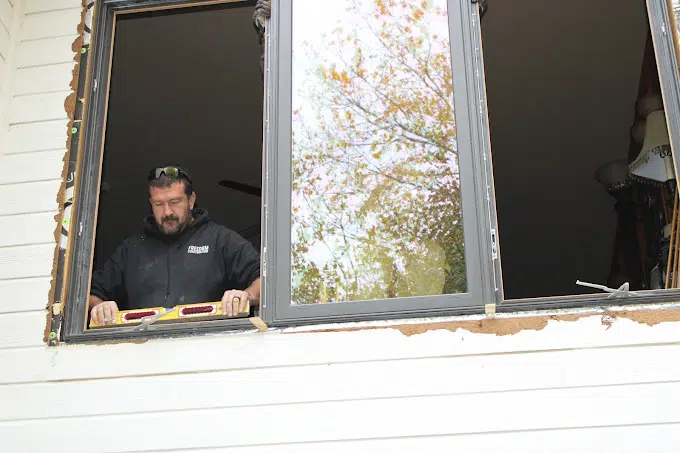
4. Professional Installation: Our team removes your old windows, prepares the opening, and installs the new insulated windows with care. We make sure every window is level, square, and sealed.
5. Clean-Up and Final Inspection: We leave your home as clean as we found it, double-check every window, and answer any questions.
Ready to feel the difference insulated windows can make? Schedule a free consultation with us today. We’ll answer all your questions, show you real product samples, and give you a straightforward quote.
(402) 699-2670