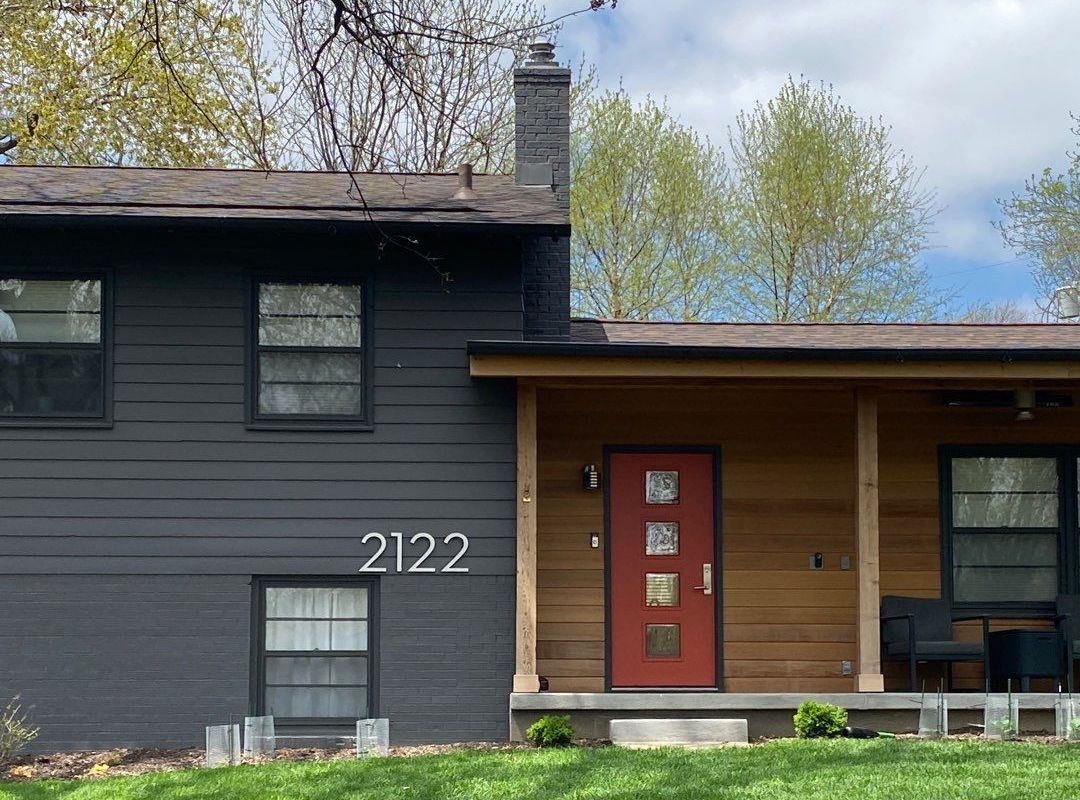
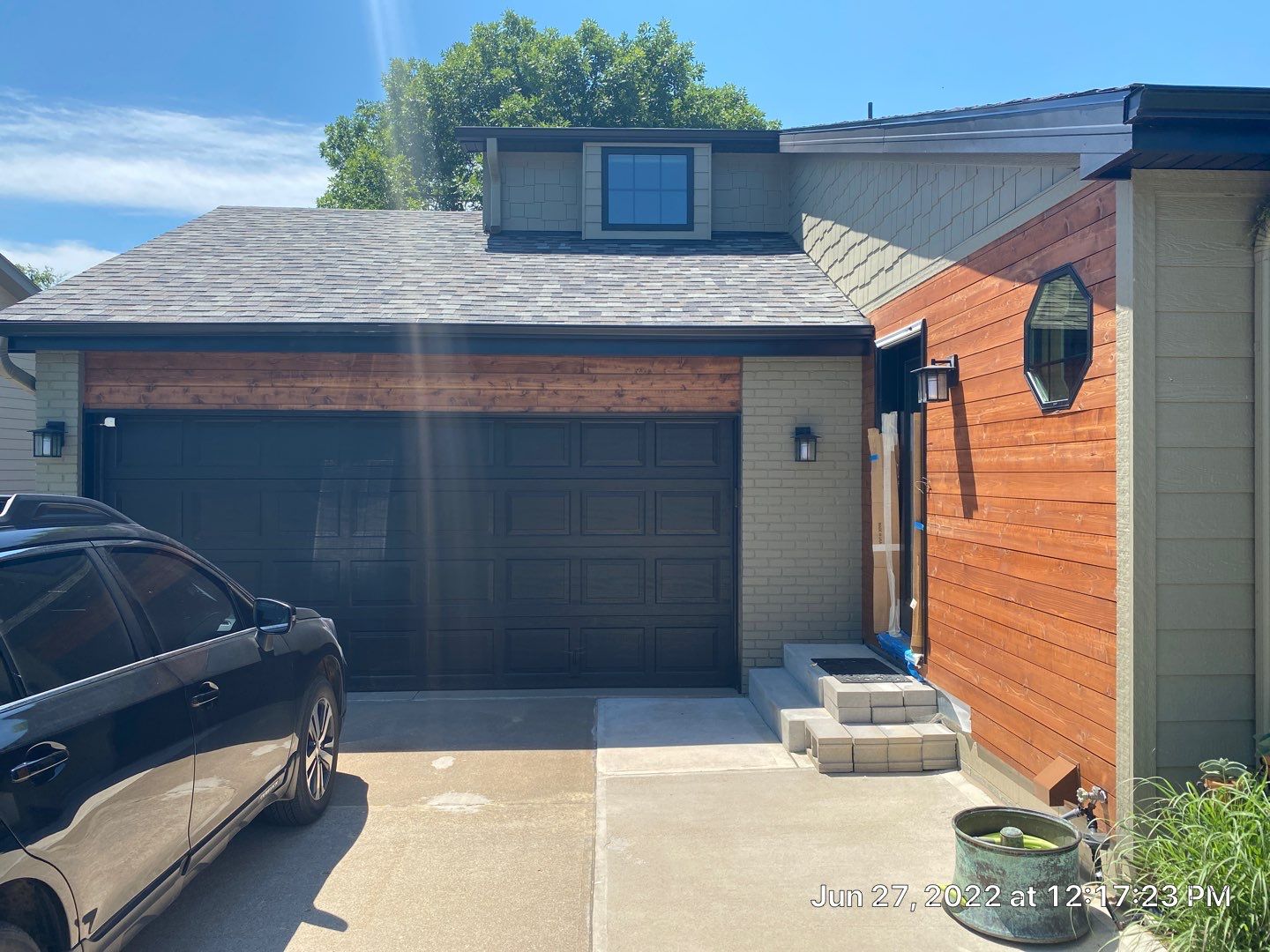




Wood siding has been a staple in Midwest homes for centuries, and for good reason. Its natural beauty, versatility, and durability make it one of the most popular siding options, especially in Omaha, where homeowners value both style and function. But like any home exterior material, wood siding comes with its pros and cons. If you're considering wood siding for your home, you're in the right place.
In this guide, we'll walk you through everything you need to know about wood siding, from the different styles available to the costs and maintenance involved.

Wood siding refers to the wooden panels or boards that are installed on the exterior of a home to protect it from the elements and improve its aesthetic appeal. It's one of the oldest forms of siding, dating back hundreds of years.
Early American homes were often clad in wood because it was readily available and easy to work with. Over time, wood siding became a defining feature of many architectural styles, from Cape Cod cottages to Victorian homes.
In Omaha, wood siding complements the natural surroundings and the architectural character of the region. It provides a warm, inviting look that you just can't replicate with synthetic materials like vinyl or aluminum.
Wood siding comes in a variety of styles, each with its own unique look and installation method. Let’s take a closer look at some of the most popular options:
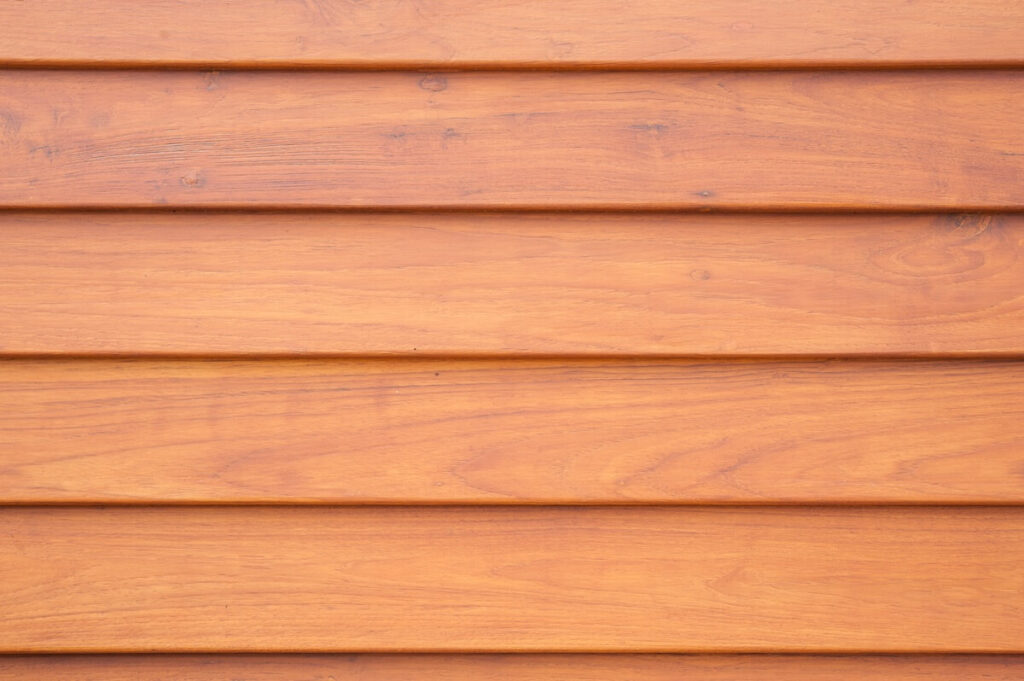
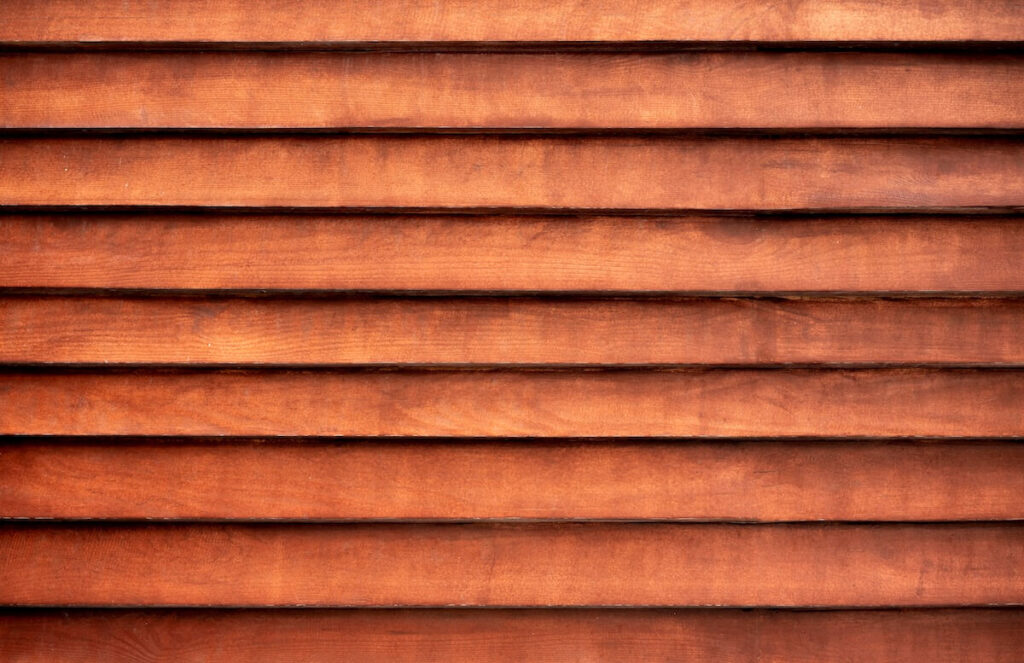
Clapboard siding, also known as bevel siding, features long, overlapping horizontal boards that create a layered effect. It’s one of the most traditional styles and is often found on Colonial and Cape Cod-style homes.
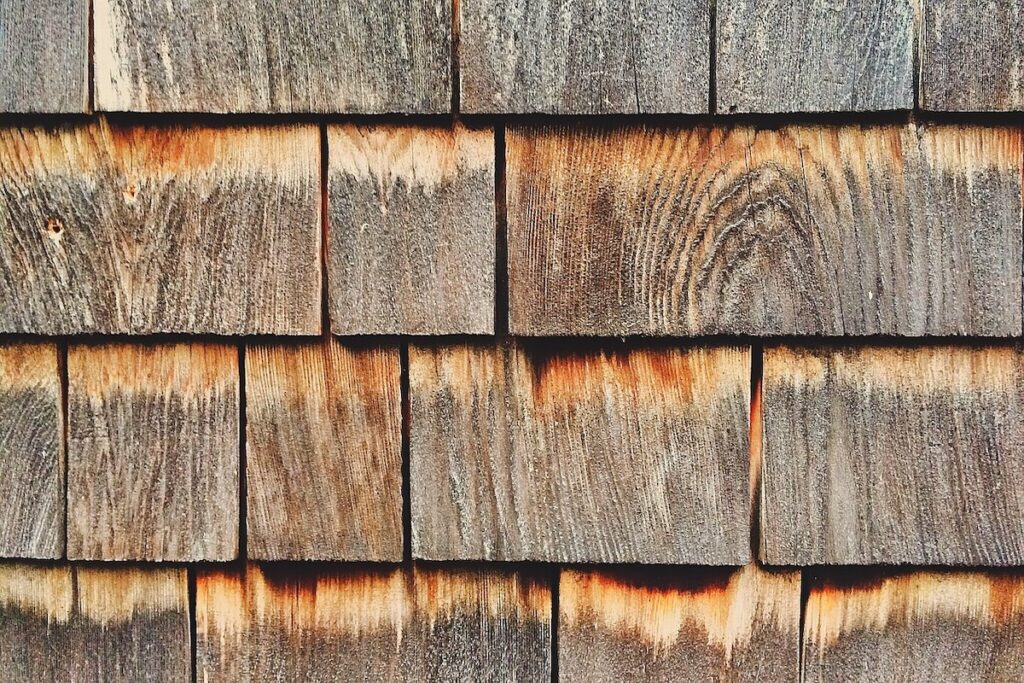
Shake and shingle siding consists of small, individual pieces of wood that are nailed in rows. Shakes are hand-split for a more rustic look, while shingles are machine-cut for a more uniform appearance.
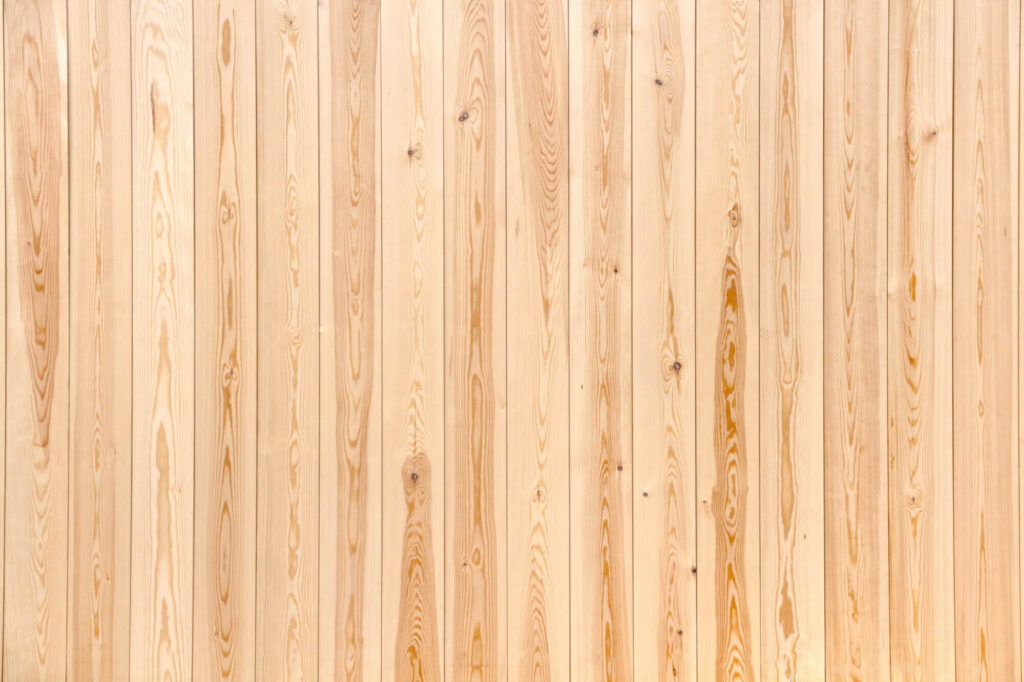
Board and batten siding features wide vertical boards with narrow wooden strips (battens) covering the seams. This style is often associated with farmhouse and barn-style homes.
Engineered wood siding is made from wood fibers combined with resin and other binding agents. It mimics the look of real wood but with added strength and resistance to moisture and pests.

So why do so many Omaha homeowners choose wood siding?
Of course, wood siding isn’t perfect. While the maintenance can be a hassle, many homeowners find that the natural beauty and warmth of wood siding make it worth the effort. There are some downsides to consider before making a final decision:
Not all wood is created equal. The type of wood you choose for your siding will have a big impact on its durability, appearance, and maintenance needs. Here's a breakdown of the best options:
Cedar is one of the most popular choices for wood siding because of its natural resistance to moisture, rot, and insects. It has a rich, reddish-brown color that weathers beautifully over time.
Redwood has similar qualities to cedar but is even more resistant to moisture and insects. Its deep red color and tight grain pattern make it a premium option.
Pine is a softwood that’s more affordable than cedar or redwood. However, it requires more maintenance and is more vulnerable to moisture and pests.
Wood siding can be one of the more expensive siding material options. The total cost of siding depends on the type of wood, the complexity of the installation, and the size of your home.
Cost per Square Foot (Materials Only) | |
Cedar | $5 – $10 |
Redwood | $7 – $15 |
Pine | $2 – $5 |
Engineered Wood | $3 – $8 |
Labor costs vary depending on the complexity of the installation and local rates. On average, installation ranges from $4 to $10 per square foot. Complex patterns like shake or shingle siding will cost more due to the detailed work involved.
While the upfront costs are higher than vinyl or fiber cement, wood siding can increase your home’s value and curb appeal, making it a smart long-term investment.
Wood siding looks fantastic, but only if you take care of it. Here's how to keep your siding looking great for years to come:
Installing wood siding isn’t a DIY project. It requires precision and professional expertise to ensure the siding is properly secured and protected from the elements. Below is a quick overview of Tevelde and Co.’s wood siding installation process:
Remove existing siding and inspect the wall sheathing for damage. Install a weather-resistant barrier to protect the home from moisture infiltration.
Measure and cut the siding boards to the appropriate length. Install the boards starting at the bottom and working up, overlapping each row to prevent water infiltration.
Use galvanized nails or screws to secure the boards. Ensure proper spacing for expansion and contraction due to temperature changes.
Caulk seams and gaps to prevent moisture intrusion. Paint or stain the siding for added protection and aesthetic appeal.
When it comes to finishing wood siding, you’ve got two main options for protecting it over the years: painting or staining. Each approach has its pros and cons, and the right choice often depends on your preferred aesthetic and how much maintenance you’re willing to commit to.
Painting wood siding creates a protective barrier that helps shield the wood from moisture and UV damage. It also gives you more flexibility when it comes to siding color choices since you can match the siding to your home’s trim or architectural style.
Staining enhances the natural beauty of wood by allowing the grain and texture to show through. Stains penetrate the wood rather than sitting on top, providing a more natural look.
So, which is better? If you want to show off the natural beauty of the wood, go with stain. If you prefer a more uniform look or need extra protection from moisture, paint is the way to go.
At Tevelde and Co., we know that choosing the right siding for your home is a big decision. That’s why we’re committed to delivering expert craftsmanship and high-quality materials. We take the time to help you choose the right type of wood siding, color, and finish so your home looks exactly how you envision it.
Ready to transform your home? Contact Tevelde and Co. for a free estimate on your Omaha wood siding project. Let us help you find the perfect solution to enhance your home’s beauty and durability.
(402) 699-2670