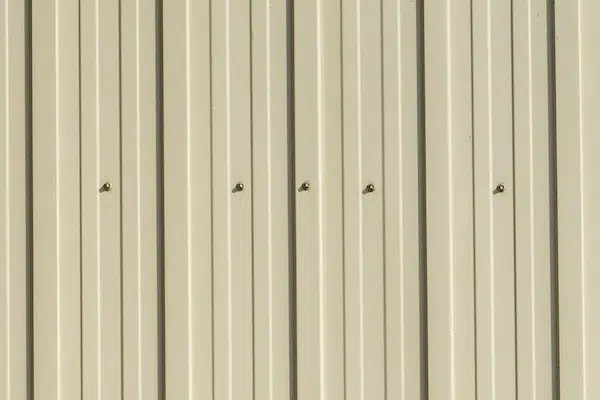
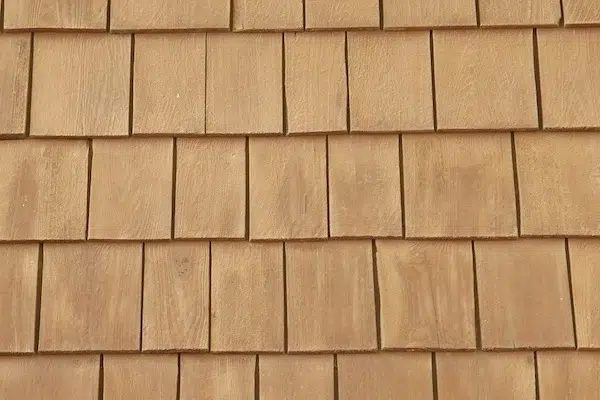
The lifespan of siding is influenced by a variety of factors, ranging from the material used to environmental conditions and maintenance practices. Understanding these factors can help homeowners make informed decisions about their siding choices and maintenance plans. Here are the key elements that determine the longevity of siding:
Climate, Weather & Environment
Environmental conditions play a crucial role in the longevity of siding:
- Sun Exposure: UV radiation can fade and weaken certain types of siding, particularly vinyl and wood.
- Moisture and Rain: Areas with high humidity or rainfall can contribute to rot, mold, and mildew, especially in wood siding.
- Temperature Fluctuations: Regions with extreme temperature changes can cause siding materials to expand and contract, leading to wear over time.
- Wind and Storms: High winds, hail, and flying debris from storms can physically damage siding, shortening its lifespan.
Maintenance Over Time
Proper maintenance and repair as needed is crucial for extending the lifespan of your siding. This includes regular cleaning to prevent mold and mildew growth, as well as promptly addressing any needed repairs for cracks, warping, or holes.
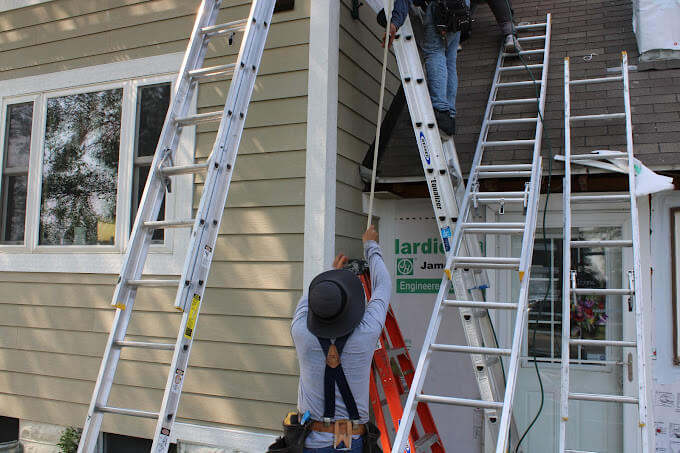
Quality of the Initial Installation
The skill and expertise of the contractors who install your siding matter greatly! A poorly installed DIY siding job can lead to various problems, including moisture penetration and premature wear.