
Full-frame window replacement removes the old window and its frame. Pocket replacement, also called insert replacement, fits a new window inside the existing frame. The right choice starts with the condition of that frame and the work needed around it.
A sound frame is a candidate for pocket replacement. Rot, a distorted opening, or water damage calls for a closer look and often a full-frame installation. Your plans for trim, siding, and window size also affect the decision. At Tevelde & Co., owner Todd starts with the condition of the opening before discussing a window order. We want to know why the old window is being replaced, what is happening around the frame, and which parts of the existing installation are worth keeping. Those findings shape our recommendation.
Full-Frame vs. Pocket Replacement at a Glance
Both methods provide a new window. They differ in how much of the existing assembly is removed and how much access the installer has to the surrounding opening.
| Consideration | Full-Frame Replacement | Pocket Replacement |
|---|---|---|
| Existing Window Frame | Removed | Retained |
| Frame Condition | Appropriate for damaged or unsuitable frames | Requires a sound, square frame |
| Hidden Damage | Exposes the rough opening for inspection and repair | Leaves areas behind the old frame largely concealed |
| Interior Trim | Removal and finishing depend on the installation | Usually preserved |
| Exterior Work | Depends on siding, masonry, and the selected window | Generally less disturbance |
| Visible Glass | Depends on the new frame and window design | New frame occupies space inside the existing frame |
| Labor and Cost | Generally more extensive | Generally lower for a suitable opening |
The product and the house determine the details. Ask your contractor to explain what stays, what comes out, and what finish work is included.
What Does Full-Frame Window Replacement Involve?
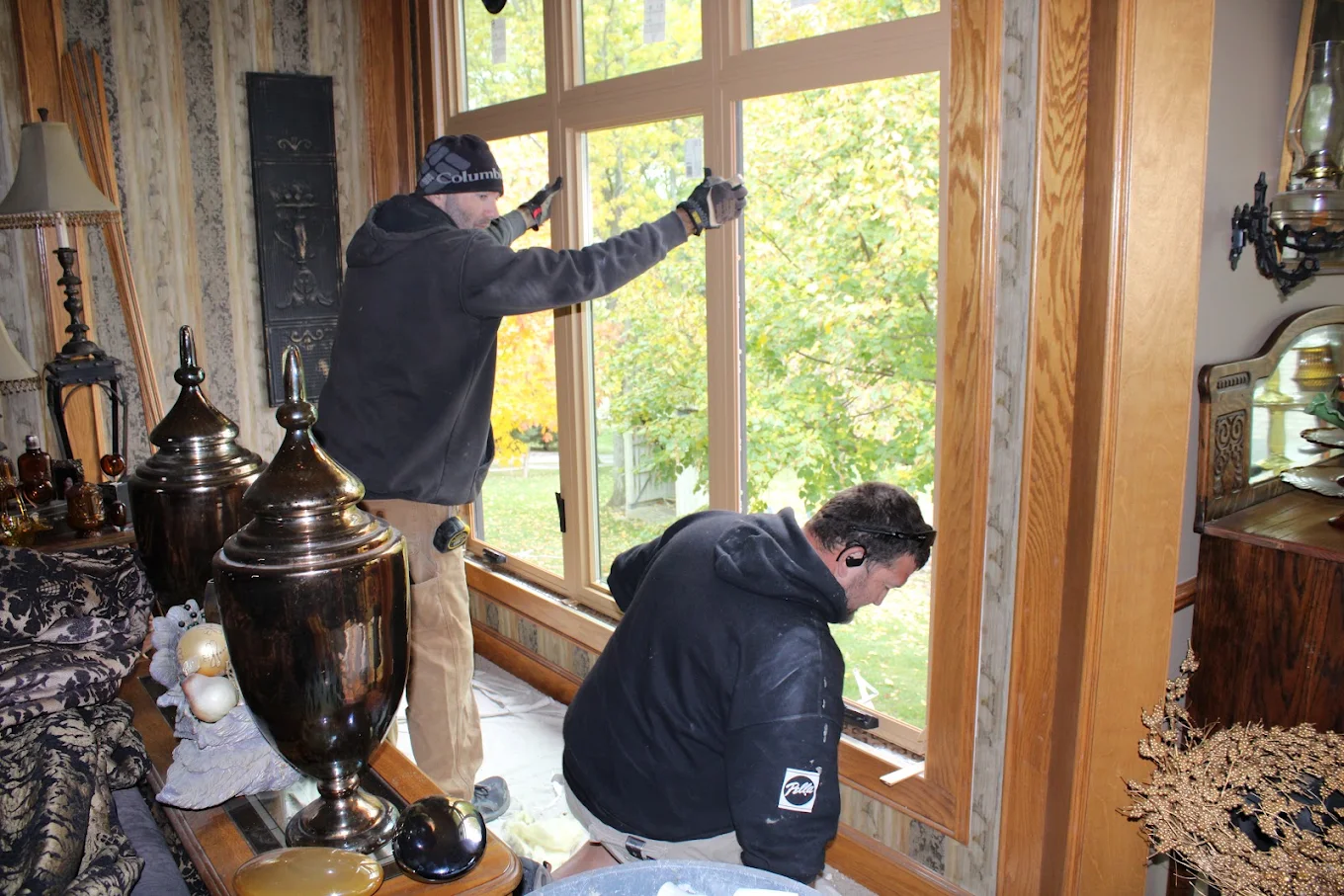
With full-frame replacement, the installer removes the sash (the part holding the glass) and the old window frame. This exposes the rough opening, which is the framed space in the wall. The opening is checked for damage and prepared for the new unit. If the sill or surrounding wood is deteriorated, that material needs repair before installation continues. The installer then sets and fastens the window, completes the required flashing and seals, and finishes the surrounding surfaces.
Our crews have removed window frames in Nebraska homes that looked sound from inside and found soft, rotted wood behind them. The visible trim gave the homeowner little reason to suspect damage. Once the frame came out, the repair needs were clear. That experience affects how we plan the installation. When deteriorated wood is exposed, the opening needs repair before it is ready to support a replacement window. The new unit needs a stable opening and proper water-management details.
Full-frame replacement is common in existing homes. The installation details depend on the window product and exterior wall construction.
What Does Pocket Window Replacement Involve?
Pocket replacement keeps the existing window frame. The old sash and applicable hardware are removed, and a complete replacement unit is installed inside that frame. The new unit is fitted and secured according to the manufacturer’s instructions. Sealing and trim details complete the connection between the replacement window and the retained frame.
Because more of the original assembly stays in place, pocket installation usually involves less removal and finish work. We discuss this option with homeowners who want to keep stained wood casing or custom trim. Preserving those finishes is useful when the retained frame is suitable for the new window. Pocket replacement includes a new window unit with its own frame. Glass replacement changes the glass, while sash replacement changes the part that holds it. Those are different repair options.

Which Replacement Method Does Your Home Need?
When Full-Frame Replacement Is the Better Choice
For many aging or failing windows in the Omaha homes we work on, full-frame replacement is our starting recommendation. Removing the frame gives us access to assess the opening and make needed repairs. We consider pocket replacement when the inspection supports retaining the frame. Conditions that warrant a closer assessment include:
- • Soft or deteriorated wood at the sill or frame.
- • Recurring water stains around the window.
- • A frame that has shifted or become distorted.
- • Damage extending into nearby trim or wall surfaces.
- • Plans to change the window’s size or shape.
During an assessment, we look for soft wood, staining, and signs of past water entry around the sill. Inside, peeling paint near the window stool or staining below a corner gives us a reason to inspect further. Outside, we examine how the trim meets the siding and what flashing is visible. A stain identifies an area that has been wet. Finding the entry point takes more work. Water travels behind siding and along framing, so a leak near the bottom of a window warrants checking the sides and the wall above it.
Our window leak assessments consider both the window and surrounding exterior. That matters when deciding whether the project needs a window replacement, a repair to the wall connection, or both.
When Pocket Replacement Makes Sense
Pocket replacement is a good option when the retained frame is sound, square, and compatible with the replacement product. The existing opening also needs suitable water-management details. Consider a homeowner with well-kept stained casing, a square opening, and a frame that checks out as sound. If the chosen product fits the application, pocket replacement offers a way to update the window while keeping those finishes.
Compare that with an opening where the same attractive casing surrounds a soft sill or recurring water stains. The finish looks similar, but the inspection points toward a different scope. The condition of the parts being retained has to support the installation.

How Will the New Windows Affect Glass Area and Trim?
Compare the Visible Glass Area
A pocket window adds a new frame inside the old one. That added frame occupies space within the opening and often reduces the visible glass area. The amount depends on the old frame and the replacement product. Full-frame replacement removes the old frame, giving the new unit the full prepared opening. The final glass area still depends on the new window’s design.
We discuss changes to visible glass during measuring and review the expected sightlines before ordering. A homeowner who likes the view from a living-room window deserves to understand how the replacement frame will affect it. When replacing only some windows, compare the proposed frame profiles with the units that will remain. Glass area and frame width affect how the windows look together.
Plan for Interior and Exterior Finish Work
Bring up the details you want to keep during the consultation. Stained casing, painted trim, and blinds fitted inside the opening all affect the finished result. A full-frame project often includes work on casing, jamb extensions, or exterior trim. Painting and staining should be clearly addressed in the estimate.
Brick, stucco, and siding each require different installation details. Some full-frame applications allow the surrounding exterior finish to remain in place; others require trim removal or limited siding work. Bring up blinds and shades you want to keep. Changes in frame depth or the finished opening affect how those items fit.
What Affects Full-Frame and Pocket Replacement Costs?
Full-frame replacement generally costs more because it involves more removal, opening preparation, and finish work. Repairs to damaged wood add to the scope. Pocket replacement typically requires less labor when the existing frame is suitable. The price difference varies with the home and the selected products. Other factors affecting your estimate include:
- • Window size, operating style, and frame material.
- • Glass package and finish options.
- • Access to upper floors or difficult locations.
- • Exterior trim and siding work.
- • Interior repairs, painting, or staining.
When you review the options with us, compare the installation work alongside the window specifications. For example, an estimate that includes removing the old frame, repairing a damaged sill, and installing new trim covers a different project from a pocket installation in a sound opening. Ask which finish tasks are included and how concealed damage will be handled. You should understand the process for pricing repairs and approving added work before installation begins.
Our replacement window buying guide provides more information about choosing products for your home.

Why Air Sealing and Water Management Matter in Nebraska
Todd often finds air coming in around window frames that homeowners thought were performing well. A room that feels cold near the window gives us a reason to examine both the product and its connection to the wall. The replacement plan needs to address the source of that discomfort. Air sealing, insulation, and flashing serve different purposes:
- • Air sealing limits air movement through gaps around the window.
- • Insulation reduces heat transfer through the space around the frame.
- • Flashing directs water toward the exterior and protects the opening.
In a pocket installation, there are two connections to consider: the new window to the old frame, and the old frame to the wall. If air is entering around the original frame, that connection needs attention in the scope of work. Full-frame removal exposes the rough opening for inspection and sealing. The glass package still affects comfort, so both the product and installation deserve review.
Water management extends beyond the visible caulk joint. Flashing needs to work with the wall’s water-resistive barrier, the layer behind the siding that sheds rainwater. Drainage paths must remain functional. The window manufacturer’s instructions and the wall construction determine the correct details. Todd also discusses the rest of the house when homeowners ask about energy savings. Attic insulation, doors, and other air leaks affect the result. We help you choose the window and installation for the conditions found, with realistic expectations about changes to utility bills.
How Tevelde & Co. Evaluates Your Existing Windows
Our Consult, Design, Deliver process includes measurements, a discussion of the project, and design options with estimates. We also confirm the planned order during a walkthrough before purchasing materials. That gives you a chance to review the choices before the project moves into installation. Tell us if siding replacement is part of your plans. We install both siding and windows, and opening the exterior changes the access available for flashing and repairs. For a project involving both, the window connection should be planned with the wall work.
Before work begins, your scope should identify the installation method for each opening, the repair work included, and the finish tasks that remain. Tevelde & Co. offers a 10-year workmanship warranty. We follow the selected manufacturer’s installation requirements, including the applicable sealing and flashing details. Those details are part of the work behind the finished trim.
Get a Window Replacement Assessment From Tevelde & Co.
If you are deciding between full-frame and pocket replacement, we will assess the existing windows and explain what the findings mean for your project. Bring your concerns about drafts, leaks, trim, or glass area to the consultation. Tevelde & Co. provides window replacement services for Omaha and surrounding communities. Schedule an assessment to discuss the installation approach for your home.